
Episode 621: Morgellons Disease, Lyme & Medical Gaslighting – Cindy Casey-Holman | LIVE from ILADS
What if you developed painful, non-healing skin lesions, experienced sensations of something crawling beneath your skin, and then were told by a doctor that your symptoms were a psychiatric problem?
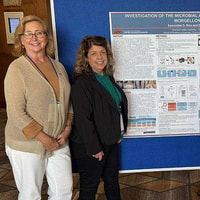
In this LIVE from ILADS interview, Tick Boot Camp co-host Rich welcomes Cindy Casey-Holman, RN, Executive Director of the Charles E. Holman Morgellons Disease Foundation, to discuss Morgellons disease, its proposed connection to Lyme disease, emerging research, and the devastating impact of medical dismissal.
Recorded at the 2025 International Lyme and Associated Diseases Society (ILADS) Conference in San Antonio, Texas, the conversation explores one of the most controversial and misunderstood conditions discussed within the Lyme disease community.
Cindy is a former critical care nurse who developed Morgellons symptoms while working in California. Despite her medical background, she describes being diagnosed with a psychiatric condition after seeking help for painful skin lesions and unusual skin sensations.
Her husband, Charles E. Holman, became an important advocate during her illness. His support ultimately inspired the creation of a nonprofit foundation dedicated to Morgellons research, education, and patient advocacy.
Throughout the interview, Rich and Cindy explore important questions:
- What is Morgellons disease, and what symptoms do patients report?
- Is there a connection between Morgellons and Lyme disease?
- What have researchers discovered about Borrelia bacteria and skin fibers?
- Why do some patients receive psychiatric diagnoses when seeking dermatological care?
- What role can research and patient advocacy play in improving medical understanding?
For patients who have experienced unexplained symptoms, social isolation, or dismissive medical encounters, this conversation offers validation, education, and a reminder that their suffering deserves compassionate attention and careful investigation.
Meet Cindy Casey-Holman, RN
Cindy Casey-Holman, RN, is the Executive Director of the Charles E. Holman Morgellons Disease Foundation, a Texas-based nonprofit organization supporting scientific research, education, and advocacy related to Morgellons disease.
Before becoming a patient advocate, Cindy worked as a registered nurse in critical care, including high-acuity intensive care settings.
Her experience with Morgellons changed her life.
After developing persistent skin symptoms, Cindy struggled to obtain answers from medical professionals.
She describes the experience as particularly painful because she had spent her career caring for critically ill patients and working alongside physicians.
Her husband, Charles, became one of her strongest advocates.
When Cindy was too ill to advocate effectively for herself, he helped her navigate the medical system and seek answers.
The foundation was named in his honor.
Today, Cindy works with researchers, healthcare professionals, and patients to improve awareness and understanding of Morgellons disease.
Learn more about Cindy Casey-Holman and the foundation's leadership.
What Is Morgellons Disease?
Morgellons disease is a term used to describe a collection of skin-related symptoms, often involving reports of unusual fibers or filaments associated with skin lesions.
Patients may experience persistent itching, pain, abnormal skin sensations, and wounds that are slow to heal.
Cindy describes Morgellons as a dermopathy, meaning a condition affecting the skin.
During the interview, she explains that some patients develop lesions on their arms, legs, face, scalp, back, or other parts of the body.
She also describes the presence of colored fibers associated with affected skin.
The cause of Morgellons remains scientifically contested.
Some researchers have proposed an infectious association, including a possible connection with Borrelia bacteria. Other investigations have not demonstrated an infectious cause and have examined dermatological, neurological, and psychiatric explanations.
Regardless of the underlying cause, the pain, itching, wounds, and distress reported by patients deserve appropriate medical evaluation.
Common Morgellons Symptoms
Cindy describes several symptoms that patients report.
Painful, Slow-Healing Skin Lesions
One of the most prominent complaints involves skin wounds that may persist for extended periods.
Cindy explains that some lesions can become disfiguring, particularly when they appear on visible areas such as the face.
Severe Itching and Burning
Patients may experience intense itching, irritation, and pain.
These symptoms can interfere with sleep, concentration, and daily activities.
Crawling Sensations Beneath the Skin
Cindy describes sensations that patients compare to something crawling on or beneath their skin.
This type of abnormal sensation is sometimes called formication.
Formication can occur in several medical and neurological conditions and does not, by itself, establish the presence of parasites or infection.
Fibers or Filaments Associated With Skin Lesions
Cindy discusses patients reporting unusual colored fibers within or emerging from affected skin.
The origin and significance of these materials remain disputed in the medical literature.
Emotional and Social Isolation
Visible skin lesions can create significant embarrassment and anxiety.
Cindy explains that some patients avoid social situations because they are concerned about how others will react to their appearance.
The combination of physical symptoms, uncertainty, and stigma can profoundly affect quality of life.
Is Morgellons Disease Connected to Lyme Disease?
One of the interview's central questions concerns the relationship between Morgellons and Lyme disease.
Cindy believes Morgellons may represent a skin manifestation associated with Borrelia infection.
She explains that she was not initially aware of having Lyme disease when her Morgellons symptoms developed.
She also discusses research reporting Borrelia organisms or genetic material in some skin samples from people identified as having Morgellons.
Other microorganisms discussed include:
- Bartonella henselae
- Helicobacter pylori
- Treponema denticola
Cindy believes Borrelia may play a particularly important role.
However, the presence of microbial material in selected research samples does not establish that these organisms cause Morgellons or explain every patient's symptoms.
The proposed connection remains controversial, and larger, independently replicated studies are needed.
For more information about research exploring Morgellons, visit the foundation's research resources.
Could Morgellons Be a Manifestation of Lyme Disease?
Rich raises an important question about medical terminology.
If Morgellons symptoms are associated with Lyme disease in some patients, should Morgellons be classified as a separate condition or considered a manifestation of another illness?
Cindy explains that some advocates and researchers have discussed whether Morgellons might be more appropriately described as a syndrome.
Rich argues that separating Morgellons from Lyme disease could create additional confusion when patients seek medical care.
He worries that clinicians may overlook possible tick-borne infections if they view skin symptoms as unrelated.
Cindy agrees that understanding potential connections is important.
However, Morgellons has not been established as a diagnostic sign of Lyme disease, and not everyone reporting Morgellons symptoms has confirmed Lyme disease.
Determining the appropriate classification requires additional research.
What Are the Fibers Associated With Morgellons?
One of the most unusual features discussed in the interview is the presence of colored fibers or filaments.
Cindy describes how difficult it can be for patients to explain these observations to healthcare professionals.
She believes the fibers are an important part of the condition and should be investigated.
Some published studies have proposed that fibers associated with Morgellons involve biological materials produced within the skin.
Other investigations have identified textile fibers and other environmental materials.
The CDC's investigation of unexplained dermopathy did not identify a common infectious cause among the patients studied.
The disagreement illustrates why carefully designed research, appropriate sampling methods, and independent replication are important.
Morgellons, Medical Gaslighting, and Psychiatric Diagnoses
One of the most emotional portions of the interview concerns Cindy's experiences seeking medical care.
She recalls visiting a dermatologist while experiencing severe skin symptoms.
Despite her professional background as an intensive care nurse, she says she was diagnosed with delusional parasitosis.
Cindy describes feeling devastated.
She had spent years caring for patients, trusting medical professionals, and working within the healthcare system.
Suddenly, she found herself questioning whether her own concerns would be taken seriously.
She also recalls reviewing medical records that suggested her husband shared her alleged delusion.
For Cindy, these experiences were deeply damaging.
She believes they contributed to the isolation and frustration experienced by many Morgellons patients.
The interview highlights why clinicians should approach unexplained symptoms with compassion, conduct appropriate evaluations, and communicate diagnoses respectfully.
Psychiatric and neurological conditions are legitimate medical conditions that also deserve evidence-based treatment. A psychiatric diagnosis should never be used as an excuse to dismiss physical suffering or avoid evaluating other possible causes.
When Medical Professionals Become Patients
Rich explores why Cindy's experience may have been especially traumatic because she was a nurse.
As a critical care professional, Cindy was accustomed to working with physicians and caring for patients experiencing life-threatening conditions.
She understood the medical system from the inside.
Yet when she became ill, she struggled to obtain the kind of support she had expected.
Rich observes that losing confidence in the healthcare system can be painful for anyone.
For someone who has devoted a career to healthcare, that loss of trust may be particularly difficult.
Cindy agrees.
Her story illustrates how becoming a patient can dramatically change a healthcare professional's perspective.
How Cindy's Husband Inspired the Charles E. Holman Foundation
Cindy explains that her husband played a central role in helping her through the most difficult periods of illness.
When she struggled to advocate for herself, he stepped forward.
He helped her pursue answers and supported her efforts to understand the condition.
The foundation was eventually named in his honor.
The Charles E. Holman Morgellons Disease Foundation was established to advance scientific understanding and support people experiencing Morgellons symptoms.
Its work focuses on:
- Funding scientific research
- Educating healthcare professionals
- Raising public awareness
- Supporting patients and caregivers
- Encouraging additional research into possible causes
- Advocating for greater attention to Morgellons-related concerns
Cindy explains that scientific research became especially important because patients needed credible information to bring to medical appointments.
She believes published studies can help patients communicate their concerns and encourage further investigation.
Why Morgellons Research Matters
Cindy discusses how the foundation has supported research into Morgellons disease.
At the time of the interview, she estimated that approximately 20 or more relevant scientific papers had been published.
She describes the importance of peer-reviewed research in a field where patients frequently encounter skepticism.
For Cindy, research serves two purposes.
First, it may help clarify the biological mechanisms responsible for reported symptoms.
Second, it provides patients and clinicians with information that can support more informed conversations.
The foundation continues to encourage research and collaboration.
Explore the Charles E. Holman Foundation's research initiatives.
What Does Current Research Say About Morgellons?
Morgellons remains a subject of scientific disagreement.
Research supporting an infectious hypothesis has reported associations with Borrelia and other microorganisms in selected patients.
Other studies, including the CDC's investigation, have not established an infectious cause.
A 2024 review of Morgellons disease describes the conflicting literature and the challenges involved in understanding the condition.
These disagreements make further research important.
At present, there is no universally accepted infectious explanation, validated Morgellons-specific diagnostic test, or established antibiotic regimen for the condition.
Patients experiencing persistent skin lesions, abnormal sensations, or other unexplained symptoms should receive appropriate medical evaluation to identify treatable causes and manage their symptoms.
Cindy's Experience With Long-Term Antibiotic Treatment
Cindy also discusses her personal treatment history.
She explains that she has used oral antibiotics for many years and reports that her skin symptoms worsen when she discontinues them.
She describes combinations of medications sometimes used by clinicians treating patients with suspected tick-borne infections.
The conversation includes references to rifampin, trimethoprim-sulfamethoxazole, and other antibiotics.
Cindy also discusses using probiotics while taking antibiotics.
These statements describe her individual experience and the practices she has encountered.
They do not establish that long-term antibiotics are safe or effective for Morgellons disease.
Prolonged antibiotic treatment can carry significant risks, including medication interactions, liver injury, antibiotic-associated infections, and antimicrobial resistance.
Patients should not begin, combine, or discontinue antibiotics based on this interview.
Could Tick Saliva Help Explain Morgellons Symptoms?
Rich introduces a hypothesis about the relationship between tick bites and skin symptoms.
He discusses how ticks release saliva into the skin while feeding.
Tick saliva contains biologically active substances that help ticks feed and interact with the host's immune response.
Rich wonders whether Borrelia introduced during a tick bite could contribute to skin changes that later appear as Morgellons symptoms.
Cindy finds the question interesting but acknowledges that the proposed mechanism has not been studied sufficiently.
This is an exploratory discussion, not an established explanation.
Tick-borne infection risk depends on factors including tick species, pathogen, and attachment duration.
A proposed mechanism involving tick saliva does not establish that Morgellons is transmitted by ticks or caused by Borrelia.
Why Morgellons Patients Need Compassion and Community
Beyond the medical questions, Cindy emphasizes the emotional burden of living with a poorly understood condition.
Patients may experience severe symptoms while also struggling with disbelief from family members, friends, or healthcare professionals.
Some withdraw from social activities because of visible lesions.
Others become discouraged after repeated unsuccessful medical appointments.
Cindy believes patient advocacy organizations can help reduce that isolation.
The foundation works to connect patients with information, research, and community resources.
Her message reinforces an important Tick Boot Camp principle: People experiencing difficult-to-explain symptoms deserve respect, support, and the opportunity to pursue appropriate medical care.
How to Support Morgellons Research and Advocacy
Cindy encourages listeners to learn more about the Charles E. Holman Morgellons Disease Foundation.
The organization supports scientific research and patient education while advocating for greater awareness.
People interested in learning more can explore:
- Charles E. Holman Morgellons Disease Foundation
- Foundation leadership and mission
- Morgellons research initiatives
Patients and caregivers can also explore the foundation's educational resources and community initiatives.
Key Takeaways
- Morgellons involves distressing skin-related symptoms. Patients report painful lesions, itching, abnormal skin sensations, and fibers associated with affected skin.
- Cindy Casey-Holman is a registered nurse and patient advocate. Her personal experiences led her to become Executive Director of the Charles E. Holman Foundation.
- Her husband played a central role in her advocacy journey. The foundation was named in his honor.
- A possible connection between Morgellons and Borrelia has been investigated. Some researchers report associations, but causation has not been established.
- The cause of Morgellons remains contested. Published studies have reached different conclusions.
- Medical dismissal can be profoundly damaging. Cindy describes the emotional impact of receiving psychiatric diagnoses while seeking help for physical symptoms.
- Patients deserve compassionate medical evaluation. Unexplained symptoms should be investigated rather than automatically dismissed.
- Scientific research is essential. The foundation supports studies intended to clarify the condition.
- Long-term antibiotics are not an established Morgellons treatment. Cindy's experience should not be interpreted as a general treatment recommendation.
- Patient advocacy can create meaningful change. Research funding, education, and community support can help address gaps in understanding.
- No one should have to navigate unexplained illness alone. Compassion and community remain essential even when medical questions are unresolved.
About This LIVE from ILADS Interview
Recorded at the 2025 International Lyme and Associated Diseases Society Conference in San Antonio, Texas, this conversation features Cindy Casey-Holman, RN, Executive Director of the Charles E. Holman Morgellons Disease Foundation.
Rich and Cindy discuss Morgellons symptoms, research investigating possible associations with Lyme disease, the controversy surrounding psychiatric diagnoses, and Cindy's personal journey from critical care nurse to patient advocate.
The interview also explores the foundation's efforts to support scientific research and educate patients and healthcare professionals.
Explore more conversations with physicians, researchers, and advocates through Tick Boot Camp's LIVE from ILADS podcast series.
For additional information about Lyme disease testing and diagnostic challenges, visit Tick Boot Camp's Lyme Disease Testing Resource.