
Episode 620: How to Find the Right Lyme Disease Doctor: Integrative Medicine & Patient Advocacy – Dr. Marina Rasnow-Hill | LIVE from ILADS
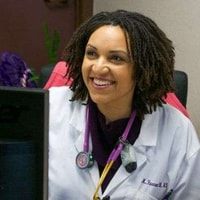
What happens when you're living with chronic Lyme disease, your symptoms are real, but your doctor doesn't have all the answers? And what can patients and physicians do to build a better relationship that leads to better care?
In this LIVE from ILADS interview, Tick Boot Camp co-host Rich welcomes Dr. Marina Rasnow-Hill, MD, a board-certified family and integrative medicine physician, to explore the challenges of treating complex chronic illness, the limitations of traditional medical training, and the importance of building a healthy doctor-patient relationship.
Recorded at the 2025 International Lyme and Associated Diseases Society (ILADS) Conference in San Antonio, Texas, the conversation explores why patients with Lyme disease, chronic fatigue, long COVID, mold-related health concerns, and other complex conditions may struggle to find answers.
Dr. Rasnow-Hill shares how her own health challenges led her beyond conventional medical training to explore integrative medicine, acupuncture, herbal therapies, and individualized approaches to chronic illness.
Rich and Dr. Rasnow-Hill also examine a topic that rarely receives enough attention: the responsibilities, expectations, vulnerabilities, and communication challenges on both sides of the doctor-patient relationship.
The conversation concludes with practical advice for patients who want to prepare for appointments, advocate for themselves, and find healthcare professionals who will work collaboratively with them.
Meet Dr. Marina Rasnow-Hill, MD
Dr. Marina Rasnow-Hill, MD, is a California-based physician with approximately 20 years of experience in medicine.
She began her career in family medicine before transitioning toward integrative medicine.
Her professional background includes board certifications in family medicine, integrative medicine, lifestyle medicine, obesity medicine, and medical acupuncture.
Dr. Rasnow-Hill also completed training through the Institute for Functional Medicine.
During the interview, she explains that she has focused exclusively on integrative medicine for approximately seven years.
She currently offers telehealth consultations in six western states: California, Washington, Nevada, Arizona, Colorado, and Idaho.
Her clinical interests include chronic fatigue, chronic pain, immune health, gastrointestinal health, and complex chronic illness.
Learn more through her Institute for Functional Medicine practitioner profile.
Why an Integrative Medicine Physician Attended ILADS
Dr. Rasnow-Hill explains that although she has been involved with ILADS for years, the 2025 conference was her first opportunity to attend in person.
She traveled from California to San Antonio to learn from clinicians and researchers working with Lyme and other tick-borne diseases.
She describes herself as a lifelong learner who continually looks for ways to improve patient care.
Dr. Rasnow-Hill explains that she already works with patients experiencing Lyme disease and other complex illnesses, but wants to continue expanding her knowledge.
Her motivation is practical: she attends medical conferences with specific patients in mind, looking for information that may help guide their future care.
Treating Complex Chronic Illness One Layer at a Time
One of Dr. Rasnow-Hill's biggest takeaways from ILADS involves recognizing that complex chronic illness may require evaluating multiple contributing conditions.
She discusses patients with overlapping concerns involving:
- Lyme disease and other tick-borne infections
- Chronic fatigue
- Long COVID
- Mold-related health concerns
- Immune dysfunction
- Other medical conditions that may complicate recovery
Rather than assuming that one diagnosis explains every symptom, she emphasizes the importance of reassessing the patient's condition as new information becomes available.
Dr. Rasnow-Hill also discusses conference presentations involving antifungal medications, antiviral therapies, and herbal approaches.
These interventions require appropriate medical indications, and their effectiveness varies by condition.
Her broader message is that clinicians should remain curious and willing to reconsider their approach when a patient's progress is limited.
From Conventional Medicine to Integrative Medicine
Rich asks Dr. Rasnow-Hill why she chose to pursue integrative medicine after completing conventional medical training.
She explains that her interest began early in her career.
Even while practicing traditional medicine, she incorporated acupuncture into patient care.
She recalls carrying acupuncture needles in her coat pocket so she could offer treatment when appropriate.
Her interest in complementary approaches was also influenced by her upbringing.
Dr. Rasnow-Hill grew up in a family that was open to what would now be called integrative or complementary medicine.
However, her own health challenges played an especially important role.
She describes experiencing medical problems that were not being adequately addressed through the approaches available to her.
Those experiences encouraged her to explore additional training.
She also began recognizing similar frustrations among her patients.
What Is Integrative Medicine?
Integrative medicine combines conventional medical care with selected complementary approaches when appropriate.
Depending on the condition and available evidence, these may include:
- Nutrition and lifestyle interventions
- Acupuncture
- Stress management
- Physical activity and rehabilitation
- Selected herbal or botanical therapies
- Other supportive interventions
Dr. Rasnow-Hill believes this broader perspective can be valuable when caring for patients with complex medical histories.
She explains that conventional medical education often emphasizes structured diagnostic and treatment frameworks.
While these frameworks are essential, she believes clinicians also need to understand the individual circumstances of the person receiving care.
Importantly, integrative medicine should not mean replacing proven treatments with unvalidated alternatives.
The goal is to consider evidence, patient preferences, safety, and the full clinical picture.
Why Medical School May Not Prepare Doctors for Every Chronic Illness
Rich and Dr. Rasnow-Hill discuss the challenges physicians face when treating conditions that do not fit neatly into established diagnostic categories.
Dr. Rasnow-Hill explains that medical school provides extensive scientific and clinical training.
However, she believes some important aspects of caring for people with complex chronic illness receive less attention.
These include:
- Navigating diagnostic uncertainty
- Managing complicated symptom patterns
- Building long-term therapeutic relationships
- Addressing emotional and social concerns
- Understanding patient experiences
- Recognizing the limits of existing medical knowledge
She explains that postgraduate education allowed her to explore subjects that were not central to her original medical training.
Her experience reinforces the importance of continuing medical education and professional curiosity.
What Happens When Doctors Don't Have All the Answers?
One of the most compelling parts of the interview focuses on the emotional challenges physicians face when they cannot explain or resolve a patient's symptoms.
Rich observes that many physicians have spent much of their lives succeeding academically and solving difficult problems.
Patients often expect them to provide clear diagnoses and effective solutions.
But complex chronic illness does not always offer straightforward answers.
Dr. Rasnow-Hill acknowledges that uncertainty can be difficult for clinicians.
She believes an important quality of a good physician is the ability to admit when they do not know something.
Rather than pretending to have every answer, she values doctors who remain curious, seek additional information, and collaborate with patients.
Medical humility is not a weakness. It can be one of the foundations of effective care.
Why Patients Need Confidence and Honesty From Their Doctors
Rich raises an interesting dilemma.
Patients want doctors who are confident and capable.
When someone has been sick for years, hearing a physician express confidence can provide tremendous reassurance.
However, excessive certainty can become problematic when the underlying diagnosis or treatment plan remains unclear.
Dr. Rasnow-Hill agrees that clinicians must balance confidence with honesty.
A physician can communicate competence while acknowledging uncertainty.
The goal is not to promise a cure or guarantee an outcome.
It is to establish trust through clear communication, realistic expectations, and a willingness to work together.
Understanding Medical Gaslighting and Patient Frustration
Rich and Dr. Rasnow-Hill discuss the frustration many patients experience when their symptoms are dismissed or misunderstood.
People living with chronic Lyme disease and other complex conditions may have spent years searching for explanations.
Some have experienced medical encounters that left them feeling unheard, invalidated, or discouraged.
Dr. Rasnow-Hill recognizes how vulnerable patients can feel when seeking help.
She also explains that healthcare professionals may experience uncertainty and frustration when they cannot determine what is causing a patient's symptoms.
Understanding both perspectives can support more productive communication.
However, empathy for clinicians does not mean patients must accept dismissive behavior or inadequate care.
Patients deserve to have their symptoms taken seriously, their concerns evaluated, and their questions answered respectfully.
Why the Doctor-Patient Relationship Is a Partnership
A central theme of the interview is that effective healthcare requires collaboration.
Rich compares the doctor-patient relationship to other important relationships in life.
Both parties have responsibilities.
Physicians must listen carefully, communicate clearly, and provide appropriate medical care.
Patients can contribute by sharing relevant symptoms, describing treatment responses, asking questions, and communicating their goals.
Dr. Rasnow-Hill agrees that a collaborative relationship can improve the care experience.
She emphasizes that patients should feel empowered to participate in decisions rather than viewing themselves as passive recipients of treatment.
Why Communication Matters in Chronic Lyme Disease Care
Patients with complex illnesses often have extensive medical histories.
They may have seen multiple specialists, undergone numerous tests, and tried different treatments.
Communicating this information can be difficult, especially when appointments are short.
Dr. Rasnow-Hill explains that clinicians also face challenges when reviewing complicated medical histories.
She encourages patients to recognize that building a complete understanding of their health may take time.
At the same time, clinicians should make reasonable efforts to understand patients' experiences and explain their recommendations.
Clear communication can help both parties identify priorities and make informed decisions.
Three Ways to Build a Better Relationship With Your Lyme Disease Doctor
Toward the end of the interview, Rich asks Dr. Rasnow-Hill what patients can do before an appointment to help create a healthier therapeutic relationship.
Her advice centers on three important principles.
1. Understand That Complex Chronic Illness Care Is a Process
Dr. Rasnow-Hill encourages patients to approach a new medical relationship with realistic expectations.
A physician meeting someone for the first time may need time to understand years of symptoms, testing, and previous treatment.
She believes patients can benefit from viewing healthcare as an ongoing collaborative process rather than expecting every question to be answered during a single appointment.
This does not mean accepting unnecessary delays or dismissive care.
It means recognizing that complex medical evaluation often requires multiple steps.
2. Organize Your Medical History and Participate in Your Care
Dr. Rasnow-Hill encourages patients to think of themselves as the central member of their healthcare team.
When several physicians or specialists are involved, communication between offices may be incomplete.
Keeping track of important medical information can help.
Useful preparation may include:
- Maintaining a current medication and supplement list
- Organizing relevant laboratory results
- Keeping a timeline of major symptoms
- Documenting previous diagnoses and treatments
- Identifying the most important questions for the appointment
- Sharing changes in symptoms or treatment tolerance
Dr. Rasnow-Hill recognizes that this can be a significant burden, especially for people experiencing fatigue, cognitive difficulties, or disability.
Patients may benefit from assistance from caregivers, patient advocates, or care coordinators when available.
3. Don't Give Up If a Doctor Isn't the Right Fit
Dr. Rasnow-Hill emphasizes that patients should not feel trapped in an ineffective therapeutic relationship.
Sometimes communication styles do not align.
Sometimes a physician lacks the expertise needed for a particular condition.
And sometimes a patient simply does not feel heard.
She encourages patients to continue seeking appropriate care rather than allowing one disappointing experience to discourage them.
A second opinion or referral to another qualified specialist may provide additional perspective.
The patient is the center of the healthcare team. Finding a clinician who respects that relationship matters.
Why Patients and Doctors Both Need Empathy
One of the interview's most meaningful messages is that compassion should extend in both directions.
Patients may be frightened, exhausted, financially strained, or overwhelmed by their symptoms.
Doctors may face demanding schedules, uncertainty, administrative pressures, and the emotional weight of caring for people they cannot always help as quickly as they would like.
Dr. Rasnow-Hill believes recognizing these realities can create space for more honest conversations.
She encourages patients to communicate openly while allowing relationships to develop over time.
She also emphasizes the importance of finding clinicians who demonstrate humility, curiosity, and respect.
Mutual empathy can strengthen a therapeutic relationship without minimizing the patient's needs or the physician's professional responsibilities.
The Importance of Continuing Medical Education
Dr. Rasnow-Hill's enthusiasm for attending ILADS reflects another central theme: medicine continues to evolve.
No physician can know everything.
Research advances, clinical evidence changes, and new questions emerge.
Dr. Rasnow-Hill believes physicians should remain open to learning throughout their careers.
She values opportunities to exchange ideas with colleagues and consider new research.
For patients, this reinforces the importance of working with healthcare professionals who are willing to reassess their conclusions when new evidence becomes available.
Explore more conversations with physicians through Tick Boot Camp's doctor interview collection.
How to Work With Dr. Marina Rasnow-Hill
Dr. Rasnow-Hill offers integrative medicine consultations through telehealth.
Her professional profile lists availability in:
- California
- Washington
- Nevada
- Arizona
- Colorado
- Idaho
Her areas of interest include chronic fatigue, chronic pain, immune health, gastrointestinal concerns, and complex chronic illness.
For current availability, services, and appointment information, visit Dr. Marina Rasnow-Hill's Institute for Functional Medicine profile.
Key Takeaways
- Dr. Marina Rasnow-Hill combines conventional and integrative medicine. Her background includes family medicine, medical acupuncture, and additional integrative training.
- Her own health challenges influenced her medical career. Personal experience encouraged her to explore additional approaches to complex illness.
- Lyme disease care can involve overlapping medical conditions. Careful assessment is essential when symptoms have multiple potential causes.
- Medical education cannot provide every answer. Physicians need continuing education, curiosity, and clinical humility.
- Patients deserve validation. Unexplained symptoms should not be dismissed simply because a diagnosis is difficult.
- Doctors can be confident without pretending to know everything. Honest communication supports trust.
- The doctor-patient relationship is a partnership. Collaboration and mutual respect can improve the healthcare experience.
- Preparing for appointments can help. Organized records, symptom histories, and questions support communication.
- Complex care often takes time. Building a therapeutic relationship may require more than one visit.
- Patients should remain active participants in their care. Understanding treatment options and communicating concerns are important.
- A poor medical encounter should not end the search for help. Seeking another qualified clinician or a second opinion may be appropriate.
- Empathy matters on both sides. Patients and physicians benefit from respectful, honest conversations.
About This LIVE from ILADS Interview
Recorded at the 2025 International Lyme and Associated Diseases Society Conference in San Antonio, Texas, this conversation features Dr. Marina Rasnow-Hill, MD, a California-based physician specializing in integrative medicine.
Rich and Dr. Rasnow-Hill explore the challenges of treating Lyme disease and complex chronic illness, the limitations of medical training, the role of integrative approaches, and the importance of building collaborative doctor-patient relationships.
The discussion offers practical guidance for patients who want to improve communication with their physicians, organize their medical information, and advocate for appropriate care.
Explore more interviews from the conference through Tick Boot Camp's LIVE from ILADS podcast series.