
Episode 603: Beyond the Lyme Clinic: Herbal Medicine, Education & Advocacy – Dr. Myriah Hinchey | LIVE from ILADS
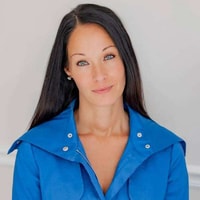
What happens when a Lyme disease doctor realizes she can only help so many patients in her office—but millions of people need better information, more treatment options, and access to knowledgeable healthcare professionals?
For Dr. Myriah Hinchey, ND, the answer has been to build something bigger than her medical practice.
In this LIVE from ILADS interview, Tick Boot Camp co-host Rich reconnects with Dr. Hinchey to discuss how she is expanding Lyme disease education and patient support through her Connecticut naturopathic practice, LymeCore Botanicals, the LymeBytes Symposium, and a new educational course.
Recorded at the 2025 International Lyme and Associated Diseases Society (ILADS) Conference in San Antonio, Texas, their conversation explores herbal medicine for Lyme disease and co-infections, integrative approaches to complex chronic illness, the importance of continuing medical education, and the challenges of making specialized healthcare accessible.
Dr. Hinchey also shares why she created her own botanical medicine company, how her conference connects patients with nonprofit organizations and healthcare professionals, and why she believes education can reach people who may never be able to schedule an appointment with her.
The conversation raises an important question: How can one healthcare professional help thousands of people without personally treating every patient?
Meet Dr. Myriah Hinchey, ND
Dr. Myriah Hinchey is a Connecticut-licensed naturopathic physician specializing in Lyme disease, tick-borne infections, and complex chronic illness.
She is the medical director of TAO: Center for Vitality, Longevity & Optimal Health in Hebron, Connecticut.
Her clinical work focuses on patients experiencing complicated, often infection-associated health problems.
During the interview, Dr. Hinchey explains that her multidisciplinary practice includes:
- Naturopathic medicine
- Lyme-informed psychotherapy
- Acupuncture
- Massage therapy
- Support for patients with complex chronic illness
She works alongside fellow naturopathic physician Dr. Marisa Hauser, who also focuses on Lyme disease, co-infections, and related health concerns.
Beyond her clinical practice, Dr. Hinchey is the founder of LymeCore Botanicals and LymeBytes, an educational platform that brings together healthcare professionals, patients, researchers, and advocacy organizations.
Her professional work reflects a philosophy of combining individualized patient care with broader educational initiatives intended to reach the Lyme disease community.
Why Dr. Hinchey Continues Attending ILADS
Rich begins by asking why Dr. Hinchey regularly participates in ILADS conferences.
Her answer centers on the importance of continuous learning.
Even though her clinical approach may differ from those of other practitioners, she believes healthcare professionals need to understand emerging research and the treatments their colleagues are using.
She explains that patients frequently arrive having already tried different protocols or therapies.
Understanding those approaches allows clinicians to evaluate previous treatments, identify potential problems, and make more informed recommendations.
Dr. Hinchey also believes no practitioner has every answer.
Even after years of clinical experience, she says she regularly learns something new from educational presentations that helps her reconsider a difficult patient case.
For her, attending conferences is not simply about learning new protocols. It is about expanding the clinical knowledge available to patients who have complicated medical histories.
Why She Created LymeCore Botanicals
One of the most interesting parts of this interview is the origin of LymeCore Botanicals, the herbal medicine company Dr. Hinchey co-founded.
She explains that the business began more than a decade before this interview because she was frustrated by inconsistent access to the medicinal herbs she used in her practice.
Her primary concern was supply reliability.
When a clinician develops an individualized treatment plan using botanical products, inconsistent availability can make it difficult to maintain that plan.
Dr. Hinchey wanted greater confidence in the sourcing, purity, potency, and consistency of the herbs available to her patients.
Over time, the project expanded into developing formulations based on her clinical experience and treatment philosophy.
What began as a practical solution for her own patients eventually grew into a resource used by other healthcare professionals.
The Role of Herbal Medicine in Her Clinical Approach
Dr. Hinchey discusses botanical medicine as one component of her integrative approach to Lyme disease and co-infections.
She believes herbal formulations may play a role in addressing different aspects of complex chronic illness, including infection-related concerns and broader physiological dysfunction.
Her approach emphasizes considering the patient's overall condition rather than focusing exclusively on antimicrobial treatment.
However, herbal products vary considerably in their ingredients, quality, evidence, and potential risks.
Some botanical compounds have demonstrated antimicrobial activity in laboratory studies, but these findings do not establish that herbal protocols can cure Lyme disease in humans.
Patients should review supplements with qualified healthcare professionals, particularly when taking prescription medications or managing complicated medical conditions.
The LymeBytes Symposium: Bringing the Lyme Community Together
Dr. Hinchey explains that she created LymeBytes after discovering that nonprofit organizations were helping patients pay for treatment, yet many people—including experienced clinicians—did not know those resources existed.
She wanted to create an event that would connect several important parts of the Lyme disease community.
Her vision included three major goals.
1. Connect patients with nonprofit resources
Dr. Hinchey wanted organizations providing financial assistance, education, and other support to become more visible to people who might benefit from their services.
She also wanted to create opportunities to raise money for these organizations.
2. Provide practical medical education
Rather than focusing exclusively on research presentations, she wanted clinicians to leave with information they could apply in practice.
Her goal was to bring together experienced speakers who could discuss clinical approaches, patient management, and emerging treatment considerations.
3. Introduce patients and practitioners to additional resources
The symposium includes companies and organizations involved in diagnostic testing, nutritional supplements, and complementary interventions.
Dr. Hinchey mentions hyperbaric oxygen therapy, red light therapy, far-infrared saunas, and other supportive modalities as examples of topics represented at the event.
These therapies have varying levels of scientific support and should not be assumed to be effective treatments for Lyme disease.
From a Lyme Conference to a Broader Chronic Illness Symposium
Dr. Hinchey explains that LymeBytes initially focused on Lyme disease and associated tick-borne infections.
Over time, she expanded its educational scope to address other complex health conditions and overlapping symptom presentations.
These include:
- Long COVID
- Mold-related illness
- PANS and PANDAS
- Immune system dysfunction
- Complex chronic infection-associated conditions
- Neurological and inflammatory symptoms
She believes clinicians benefit from examining these conditions together because some patients experience overlapping symptoms or multiple diagnoses.
The symposium is designed for healthcare professionals as well as patients who want to become more informed participants in their medical care.
2026 event update: The next LymeBytes Symposium is scheduled for November 13–14, 2026, in the Fort Lauderdale/Pompano Beach area of Florida, with in-person and virtual attendance options.
Why Education Matters When Doctors Have Long Waiting Lists
Rich raises a challenge that affects many patients seeking specialized Lyme disease care: limited access to experienced practitioners.
Dr. Hinchey shares that her practice once had a waiting list approximately 18 months long.
She recalls receiving angry messages from people frustrated that they could not schedule an appointment sooner.
While she understood their desperation, she also recognized that she could not personally treat everyone who needed help.
She has a family and responsibilities outside her medical practice.
Even working longer hours would not solve the broader problem of limited specialist availability.
Rich uses her experience to explore how healthcare professionals can serve people beyond traditional appointments.
Instead of relying exclusively on one-on-one care, clinicians can share knowledge through conferences, podcasts, educational courses, books, and other resources.
These formats allow information to reach people who live far away, cannot afford specialized consultations, or face lengthy appointment delays.
Although educational resources cannot replace individualized medical care, they can help patients prepare questions, understand available options, and seek appropriate evaluations.
Reaching Patients Through Podcasts and Online Summits
Dr. Hinchey explains that she participates in podcasts and educational events because she wants to reach people who are still searching for explanations for their symptoms.
She describes her involvement in two Healing Lyme Summit events through DrTalks.
At the time, she already had more demand for appointments than her practice could accommodate.
Her motivation for participating was not to attract additional patients.
Instead, she hoped someone listening might recognize a relevant symptom pattern or learn about an avenue of medical evaluation they had not previously considered.
She believes accessible education can encourage patients to ask better questions and seek appropriate clinical assessments.
The conversation also addresses the limitations of relying on a single laboratory result when evaluating complex symptoms.
Lyme disease testing must be interpreted according to the timing of infection, exposure history, clinical presentation, and the characteristics of the test being used.
Educational programs can help patients understand these considerations, but they cannot establish a diagnosis or replace qualified medical assessment.
Treating the Whole Patient: Beyond Antimicrobial Protocols
Dr. Hinchey describes her approach as rooted in functional and naturopathic medicine.
She believes complex chronic illness requires attention to more than the presence of an infectious organism.
During the conversation, she discusses the importance of understanding physiological processes that may influence a patient's symptoms and response to treatment.
These include immune function, inflammation, and other factors affecting overall health.
She also discusses how her conference has evolved to explore possible interactions among tick-borne infections, environmental exposures, and other chronic health concerns.
Her perspective is that clinicians should consider the broader medical picture rather than assuming every patient needs the same intervention.
While comprehensive evaluation can be valuable, proposed mechanisms and treatment strategies should be assessed according to available scientific evidence.
Established Lyme disease treatment recommendations remain important, and complementary interventions should not replace appropriate antimicrobial therapy when indicated.
Why Medical Professionals Need to Keep Learning
A central theme of this conversation is professional humility.
Dr. Hinchey explains that even when she has heard a speaker present many times, she may learn something that changes how she thinks about a difficult case.
She personally selects speakers for LymeBytes based on the topics she believes clinicians and patients need to understand.
Her goal is to identify knowledgeable presenters who can share clinically relevant information.
She also recognizes that medical knowledge continues to evolve.
New research, diagnostic tools, and treatment approaches create opportunities for clinicians to reassess established practices.
Rich agrees but adds another dimension: healthcare professionals should also learn how to communicate their knowledge effectively.
He argues that sharing expertise through education can help more people than relying exclusively on direct clinical services.
Their discussion highlights an opportunity for medical professionals to extend the reach of their experience while continuing to prioritize patient care.
Building an Educational Model That Reaches More People
Rich introduces the concept of a value ladder to explain how professionals can serve people at different levels of engagement.
He describes three approaches:
- Self-directed learning: People use educational resources to build their understanding independently.
- Guided learning: Patients or professionals participate in courses, conferences, or structured educational programs.
- Individualized services: Patients receive direct care from a healthcare professional.
Rich believes Dr. Hinchey has developed a model that incorporates all three.
Her medical practice provides individualized services, LymeBytes offers structured education, and her podcasts and other resources allow people to learn without becoming patients.
He encourages other healthcare professionals to consider similar approaches.
The conversation also addresses a gap in professional training.
Dr. Hinchey recalls graduating from naturopathic medical school without knowing how to handle important business responsibilities, including insurance billing.
Rich observes that physicians, lawyers, and other professionals often receive extensive technical education without comparable training in business operations or public communication.
Both believe these skills can help professionals expand the impact of their work.
A New Lyme Disease Educational Course
Near the end of the interview, Dr. Hinchey reveals another project.
She had been developing an educational course for approximately two and a half years.
The course is intended for both clinicians and members of the public.
Her goal is to organize complex information into a more accessible learning experience for people who cannot attend conferences or receive care at her Connecticut practice.
She explains that her attention to detail and desire to create a comprehensive resource had contributed to delays in completing the project.
Rich encourages her to prioritize making the information available rather than waiting for perfection.
He challenges her to release the course by Christmas 2025.
Dr. Hinchey accepts the challenge with some humor, recognizing that the proposed deadline leaves her only about 10 weeks.
The course was still in development at the time of this interview. Its current availability should be confirmed through Dr. Hinchey's official channels.
Rich and Dr. Hinchey discuss the possibility of another Tick Boot Camp interview dedicated to the course and its educational goals.
Key Takeaways
- Dr. Myriah Hinchey practices in Hebron, Connecticut, where her multidisciplinary clinic focuses on Lyme disease, co-infections, and complex chronic illness.
- LymeCore Botanicals began as a solution to inconsistent herbal supply, eventually expanding into a company serving other healthcare professionals.
- LymeBytes connects patients, clinicians, nonprofits, and educational resources through an annual symposium.
- Her approach emphasizes integrative care, including consideration of infection-related concerns and broader health factors.
- Medical education should continue throughout a clinician's career, particularly as research and treatment approaches evolve.
- Specialist shortages create barriers to care, making accessible educational resources increasingly important.
- Podcasts, summits, and courses can extend a clinician's reach without requiring every person to become a patient.
- Dr. Hinchey is developing additional educational resources intended to help clinicians and patients navigate complex chronic illness.
About This LIVE from ILADS Interview
This conversation was recorded at the 2025 International Lyme and Associated Diseases Society Conference in San Antonio, Texas.
Rich reconnects with Dr. Myriah Hinchey to explore her clinical practice, herbal medicine company, educational conference, and broader mission to improve access to Lyme disease information.
The interview emphasizes innovation, continuing education, patient empowerment, and the importance of sharing clinical knowledge beyond the walls of a medical office.
For another in-depth conversation with Dr. Hinchey, listen to Episode 524: From Lyme Patient to Pioneer – an interview with Myriah Hinchey.
Explore more physician interviews, research discussions, and advocacy conversations through Tick Boot Camp's LIVE from ILADS series.