
Episode 625: 25 Doctors, 10 Misdiagnoses: From Lyme Patient to Advocate – Melinda Elliott Sander | LIVE from ILADS
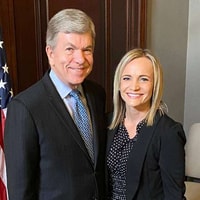
After seeing 25 doctors, receiving 10 misdiagnoses, and facing the possibility of ALS, multiple sclerosis, or early-onset Alzheimer's disease, Melinda Elliott Sander finally discovered that tick-borne illness was behind her devastating health journey. Today, she's helping change the future of Lyme disease advocacy across America.
In this LIVE from ILADS interview, Tick Boot Camp co-host Rich Johannesen welcomes Melinda Elliott Sander, a Missouri Lyme disease patient advocate and Community Engagement Fellow with Center for Lyme Action, to discuss her journey from seriously ill mother of three to national advocate fighting for improved Lyme disease research, awareness, funding, and patient protections.
Recorded at the 2025 International Lyme and Associated Diseases Society (ILADS) Conference in San Antonio, Texas, this conversation explores the challenges of diagnosing tick-borne diseases in the Midwest, the growing impact of alpha-gal syndrome, and how grassroots advocacy is influencing federal legislation.
Melinda shares how she began contacting lawmakers while bedridden, eventually becoming involved in a national movement that grew from approximately 30–40 early advocates to more than 10,000 participants at the time of the interview.
Rich and Melinda also discuss five federal legislative proposals designed to improve tick-borne disease research, prevention, public health infrastructure, patient protections, and access to information.
Their message is empowering: You don't have to be healthy, wealthy, or politically connected to make a difference. Even when chronic illness has taken so much from you, your voice can help create meaningful change.
Meet Melinda Elliott Sander: Lyme Disease Patient Advocate
Melinda Elliott Sander is a Lyme disease patient advocate from north-central Missouri who has spent approximately a decade raising awareness about Lyme disease and other tick-borne illnesses.
She serves as a Community Engagement Fellow with Center for Lyme Action, a national advocacy organization dedicated to increasing federal funding and advancing policy solutions for Lyme disease, alpha-gal syndrome, and other tick-borne conditions.
Melinda has participated in Center for Lyme Action's advocacy efforts since the organization's early days in 2020.
She now works to strengthen state-level advocacy teams, connect patients with opportunities to participate in public policy, and help expand the organization's national network.
At the time of the interview, Melinda was completing a public health degree at Western Governors University.
Her mission is deeply personal.
After experiencing years of debilitating illness and struggling to obtain an accurate diagnosis, she committed herself to helping other patients avoid the same challenges.
25 Doctors, 10 Misdiagnoses, and Eight Medical Specialties
Approximately 10 years before this interview, Melinda became seriously ill while raising three young children.
Her symptoms were severe, but physicians struggled to determine what was causing them.
During her diagnostic journey, she consulted:
- 25 physicians
- Eight medical specialties
- 10 different diagnoses
Doctors considered serious neurological conditions, including ALS, multiple sclerosis, and early-onset Alzheimer's disease.
Melinda describes how frightening this experience was, especially while caring for her children and trying to maintain hope for her future.
Eventually, she learned that tick-borne illness was involved.
The diagnosis surprised her.
She had already considered and ruled out numerous possibilities, and tick-borne disease was not something she initially believed could explain her symptoms.
Her experience illustrates the emotional and physical toll of a prolonged diagnostic journey.
It also highlights the importance of comprehensive medical evaluation when patients experience persistent, unexplained symptoms.
Why Lyme Disease Awareness Matters in Missouri
Melinda lives approximately 30 miles north of Columbia, Missouri.
She explains that people in her region are sometimes told Lyme disease does not exist in their state.
Yet Missouri has extensive outdoor activity involving farming, hunting, hiking, and recreation.
Residents regularly encounter ticks in fields, forests, backyards, and other everyday environments.
Melinda believes greater awareness of tick-borne diseases is needed among healthcare professionals and the public.
Rich contrasts her experience with living on Long Island, New York, where Lyme disease is widely recognized.
He explains that patients in highly endemic areas may face different diagnostic challenges than patients in regions where Lyme disease is considered less common.
Importantly, tick-borne disease risks vary by geography and tick species. Missouri is associated with several significant tick-borne health concerns, including ehrlichiosis, spotted fever group rickettsioses, and alpha-gal syndrome.
Melinda's message is that tick exposure should not be dismissed simply because someone lives outside a traditionally recognized Lyme disease hotspot.
For guidance following a tick bite, explore Tick Boot Camp's Tick Bite Blueprint.
Alpha-Gal Syndrome: A Major Public Health Concern in Missouri
One of the most important topics in this interview is alpha-gal syndrome (AGS), a potentially serious allergy associated with certain tick bites.
In the United States, alpha-gal syndrome is strongly associated with bites from the lone star tick.
The condition involves an immune response to alpha-gal, a sugar found in most non-primate mammals.
People with alpha-gal syndrome may experience allergic reactions after consuming certain mammalian foods or encountering other products containing alpha-gal.
Symptoms can include:
- Hives and itching
- Gastrointestinal distress
- Swelling
- Breathing difficulties
- Severe allergic reactions, including anaphylaxis
Melinda describes Missouri as a significant area of concern for alpha-gal syndrome.
She discusses how the condition can affect farmers, hunters, and families whose livelihoods involve livestock.
Some people may experience serious lifestyle changes as they learn to navigate food ingredients, medications, and other potential exposures.
Melinda's Personal Experience With Alpha-Gal
Melinda reveals that she also developed alpha-gal syndrome.
After years of dealing with Lyme disease and other tick-borne illnesses, she noticed alpha-gal-related symptoms following a COVID-19 infection.
She discusses her physician's hypothesis that changes in immune function may have contributed to the timing of her symptoms.
However, the interview does not establish that COVID-19 caused her alpha-gal syndrome.
Her experience reinforces the importance of further research into tick-associated allergies and immune responses.
Why the Lone Star Tick Is an Important Public Health Concern
Rich and Melinda discuss the aggressive behavior of lone star ticks.
Unlike some tick species that primarily wait on vegetation for a host, lone star ticks can actively move toward potential hosts.
Rich recalls observing this behavior firsthand after removing a lone star tick from his body.
He describes placing the tick on his bathroom sink and watching it repeatedly move toward him.
The conversation highlights why tick prevention matters even during ordinary outdoor activities.
Lone star ticks are associated with several health concerns, including ehrlichiosis and alpha-gal syndrome.
Their expanding geographic distribution has increased attention to prevention, surveillance, and public education.
From Bedridden Lyme Patient to Congressional Advocate
One of the most inspiring parts of Melinda's story is how she began advocating while severely ill.
She recalls lying in bed and writing letters to elected officials.
Even when she lacked the energy to travel or participate in traditional advocacy activities, she found ways to make her voice heard.
She contacted senators, representatives, and public health officials to explain the challenges patients were experiencing.
Eventually, Melinda traveled to Washington, D.C., to participate in congressional meetings.
She remembers feeling nervous during her first visits.
However, an interaction with former Missouri Senator Roy Blunt helped reinforce the importance of her work.
He encouraged her by explaining that lawmakers need to hear directly from constituents about the challenges affecting their communities.
That experience strengthened Melinda's commitment to advocacy.
Today, she encourages other patients and caregivers to share their stories with elected officials.
If lawmakers don't hear about the problems patients face, they may never fully understand the need for change.
What Is Center for Lyme Action?
Center for Lyme Action is a national advocacy organization working to increase federal funding and advance policy solutions for Lyme disease, alpha-gal syndrome, and other tick-borne conditions.
Its work focuses on:
- Increasing federal investment in tick-borne disease research
- Improving diagnostic tools and treatment options
- Supporting prevention and public health surveillance
- Educating members of Congress
- Advocating for patients and caregivers
- Strengthening state-level advocacy networks
- Encouraging collaboration among researchers, healthcare professionals, and policymakers
Melinda explains that Center for Lyme Action began with approximately 30–40 advocates participating in its early congressional outreach efforts.
By the 2025 ILADS Conference, she reports that the network had grown to more than 10,000 advocates nationwide.
She now helps organize and strengthen those state-level teams.
The organization's goal is to turn individual patient experiences into coordinated national advocacy.
How Federal Advocacy Helps Lyme Disease Patients
Rich asks an important question: How does federal advocacy actually help individual patients get better?
Melinda explains that advocacy can influence patient care in several ways.
1. Increasing Funding for Lyme Disease Research
Federal funding supports scientific investigations into Lyme disease and other tick-borne illnesses.
Research can contribute to improvements in:
- Diagnostic testing
- Understanding persistent symptoms
- Treatment approaches
- Prevention strategies
- Disease surveillance
- Medical education
- Recognition of additional tick-borne conditions
Melinda discusses the substantial growth in federal attention and research funding that advocates have helped encourage.
She references cumulative investments approaching half a billion dollars, although the interview does not specify the exact programs or years included in that figure.
Her larger point is that organized patient advocacy can help direct public resources toward scientific questions that matter to patients.
2. Giving Patients a Voice
Melinda believes advocacy provides patients with an opportunity to influence the systems that affect their lives.
People who feel isolated by chronic illness can connect with others who understand their experiences.
They can share stories, contact lawmakers, and participate in efforts to improve public policy.
For some patients, advocacy becomes an important source of purpose and connection.
3. Supporting Research, Medical Education, and Patient Access
Rich discusses the challenges physicians may face when caring for patients with complex or persistent symptoms.
He expresses concern that professional, regulatory, and legal uncertainty may discourage some clinicians from working with these patients.
Melinda agrees that advocacy is important at both the state and federal levels.
Their discussion explores how research, medical education, and healthcare policy can influence clinical practice.
The goal is to improve access to informed, compassionate, evidence-based care while maintaining appropriate patient safety protections.
Five Federal Tick-Borne Disease Bills Discussed at ILADS 2025
Melinda explains that Center for Lyme Action was supporting five major legislative proposals during the 2025 congressional session.
She describes the simultaneous consideration of these bills as an important moment for the tick-borne disease community.
1. Kay Hagan Tick Act Reauthorization
H.R. 4348 — Kay Hagan Tick Act Reauthorization
The original Kay Hagan Tick Act established a federal framework for improving the prevention and control of vector-borne diseases.
The reauthorization proposal aimed to continue and strengthen these efforts.
Key priorities included:
- Supporting a national vector-borne disease strategy
- Continuing regional Centers of Excellence
- Providing grants to state and local health departments
- Strengthening disease surveillance
- Improving prevention and public health responses
Melinda emphasizes the importance of directing resources to state health departments and research institutions.
Update since the interview: The Kay Hagan Tick Act reauthorization was signed into law on September 30, 2026, extending relevant programs through 2030.
2. Alpha-gal Allergen Inclusion Act
H.R. 1178 — Alpha-gal Allergen Inclusion Act
This legislation addresses challenges faced by people with alpha-gal syndrome.
The proposal seeks to expand federal allergen-labeling requirements to include alpha-gal.
Melinda explains that people with alpha-gal syndrome may encounter mammalian-derived ingredients in foods, medications, cosmetics, and other products.
Improved labeling could help patients identify relevant ingredients and make more informed decisions.
3. Stamp Out Lyme Disease Act
H.R. 4981 — Stamp Out Lyme Disease Act
The Stamp Out Lyme Disease Act proposes creating a special postage stamp to generate funding for Lyme disease research.
Revenue from the semipostal stamp would support research through the National Institutes of Health.
Melinda and Rich discuss the proposal as a creative way to raise awareness while generating additional research funding.
4. BITE Act
H.R. 4980 — Battling Infections Transmitted by Ticks and Exposure Act
The BITE Act proposes improving public awareness of tick-borne and other vector-borne disease risks.
Melinda describes the possibility of location-based alerts that could notify people when they enter areas associated with increased tick exposure.
The proposed system would help communicate relevant public health information and support prevention efforts.
5. Tick Identification Pilot Program Act
H.R. 4979 — Tick Identification Pilot Program Act
This proposal would support state-level tick identification programs.
Such programs could help residents identify ticks and better understand potential exposure risks.
Rich connects the legislation to existing educational resources, including the University of Rhode Island's TickEncounter Resource Center.
He also discusses Tick Boot Camp's Tick Bite Blueprint, which provides practical guidance for people who discover an attached tick.
The discussion highlights the value of making tick identification and prevention resources more widely available.
Why Tick Identification Matters
Different tick species are associated with different pathogens and health risks.
For example:
- Blacklegged ticks: Associated with Lyme disease, anaplasmosis, and babesiosis.
- Lone star ticks: Associated with ehrlichiosis and alpha-gal syndrome.
- American dog ticks: Associated with certain spotted fever group infections.
Identifying a tick can help guide conversations with healthcare professionals.
However, tick identification does not establish that a tick transmitted an infection.
Similarly, a negative test of a removed tick does not necessarily rule out exposure to another infected tick.
The interview emphasizes education, prevention, and informed medical decision-making.
Meghan Bradshaw and the Growth of Federal Lyme Advocacy
Melinda credits Meghan Bradshaw, Executive Director of Center for Lyme Action, with helping lead the organization's federal advocacy efforts.
She describes Meghan as a central presence in Washington, D.C., building relationships with lawmakers and coordinating legislative priorities.
Melinda also explains that continued organizational growth requires additional resources.
As more patients become involved, Center for Lyme Action needs stronger infrastructure, sponsorships, and additional staff to support its state teams and federal initiatives.
The organization's long-term goal is to transform grassroots participation into sustained public policy change.
Learn more about Meghan's personal journey through Tick Boot Camp's interview with Meghan Bradshaw, The Bionic Woman.
How Lyme Disease Patients Can Get Involved in Advocacy
One of the most empowering messages from Melinda's story is that advocacy does not require perfect health.
She began writing to lawmakers while bedridden.
Her experience demonstrates that patients can participate in meaningful ways that match their abilities and circumstances.
Opportunities include:
- Joining a Lyme disease advocacy organization
- Contacting elected representatives
- Sharing personal experiences with policymakers
- Participating in virtual advocacy events
- Supporting research initiatives
- Connecting with state-level advocacy teams
- Helping educate friends, family members, and communities
Rich emphasizes that chronic illness often changes a person's sense of identity and purpose.
Advocacy can provide an opportunity to turn difficult experiences into support for others.
Explore ways to participate through Center for Lyme Action.
Why Patient Stories Matter
Tick Boot Camp was built around the belief that sharing patient experiences can educate, validate, and inspire others.
Rich explains that storytelling serves two important purposes.
First, it helps people recognize that they are not alone.
Second, it gives individuals an opportunity to contribute to something larger than their own illness.
Melinda agrees that personal stories are essential to advocacy.
Lawmakers may review statistics and funding requests, but hearing directly from constituents helps them understand how public policy affects real families.
Her experience illustrates how a personal health crisis can eventually lead to public service and meaningful change.
Returning to School After Chronic Illness
Toward the end of the interview, Melinda discusses her decision to continue her education.
She is completing a public health degree at Western Governors University.
After years of illness and cognitive challenges, returning to school represents an important personal milestone.
Melinda explains that continuing to learn helps her challenge assumptions about what she can accomplish.
She also believes additional education will make her a more effective advocate.
Rich connects her academic journey to the broader concept of purpose.
As Melinda gains knowledge, she develops new ways to serve patients and improve public health.
Her story demonstrates that chronic illness can change someone's path without eliminating the possibility of future achievement.
Key Takeaways
- Melinda Elliott Sander experienced a prolonged diagnostic journey. She consulted 25 physicians across eight specialties and received 10 diagnoses before identifying tick-borne illness.
- Missouri patients face distinctive challenges. Tick exposure is common, but the recognition and distribution of specific tick-borne diseases vary by region.
- Alpha-gal syndrome is a significant public health concern. Melinda discusses its impact on patients, farmers, and families.
- Advocacy can begin from home. Melinda started contacting lawmakers while bedridden.
- Center for Lyme Action has built a nationwide network. Melinda reports growth from approximately 30–40 early advocates to more than 10,000.
- Federal funding supports research and prevention. Advocates are working to improve diagnostics, treatments, and public health infrastructure.
- Five major legislative proposals were highlighted at ILADS 2025. They address research, prevention, tick identification, exposure alerts, and alpha-gal labeling.
- The Kay Hagan Tick Act reauthorization became law in September 2026. The remaining proposals were discussed as pending legislation at the time of recording.
- Patient stories can influence policy. Personal experiences help lawmakers understand gaps in healthcare.
- Research and advocacy work together. Scientific evidence can inform clinical practice and future policy.
- Chronic illness does not eliminate purpose. Patients can contribute to advocacy in ways that match their abilities.
- Education can be part of rebuilding life after illness. Melinda's return to school reflects her commitment to continued learning and service.
Learn More and Get Involved
Explore these resources to learn more about Lyme disease advocacy, tick-borne illness prevention, and the legislation discussed:
- Center for Lyme Action – Official Website
- Center for Lyme Action – Team and Community Engagement
- Federal Tick-Borne Disease Advocacy and Legislative Priorities
- Tick Boot Camp – Tick Bite Blueprint
- Tick Boot Camp – Lyme Disease Podcast
- Tick Boot Camp – LIVE from ILADS Interviews
About This LIVE from ILADS Interview
Recorded at the 2025 ILADS Conference in San Antonio, Texas, this conversation features Melinda Elliott Sander, a Missouri Lyme disease patient advocate and Community Engagement Fellow with Center for Lyme Action.
Rich and Melinda discuss her journey through 25 physicians and 10 misdiagnoses, the challenges of tick-borne illness awareness in Missouri, alpha-gal syndrome, federal research funding, and the growing movement to improve Lyme disease policy.
They also examine five federal legislative proposals and the role of patients in shaping the future of tick-borne disease prevention, diagnosis, and treatment.
Melinda's story demonstrates that even when chronic illness changes everything, your experiences and your voice can help create a better future for others.
Explore more conversations with patients, physicians, researchers, and advocates through the Tick Boot Camp Podcast.