
Episode 597: Finding Hope After Lyme Disease – Tanya's Story of Recovery & Advocacy | LIVE from ILADS
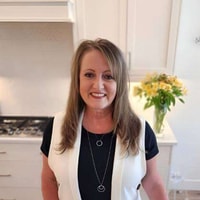
What happens when seven years of undiagnosed Lyme disease, debilitating symptoms, and medical dismissal push someone to the point of losing hope—and that person eventually becomes a voice of hope for others?
In this LIVE from ILADS interview, Tick Boot Camp welcomes Tanya, host of Lyme and Beyond with Tanya, for an emotional and inspiring conversation about Lyme disease recovery, medical gaslighting, mental health, suicidal thoughts, patient advocacy, and the power of sharing stories of healing.
After spending years searching for answers, Tanya experienced severe physical and cognitive symptoms that disrupted her independence and quality of life. Repeatedly told that her symptoms were caused by stress or psychological problems, she reached a point where she struggled to imagine continuing her life without answers.
But Tanya's story didn't end there.
Her recovery journey eventually inspired her to become a Lyme disease advocate and podcast host, creating a platform dedicated to sharing stories of people who have experienced meaningful healing.
Today, her mission is to remind people living with Lyme disease and other tick-borne illnesses that they are seen, heard, understood, and not alone.
This episode explores why finding the right community, hearing recovery stories, and discovering a personal reason to keep moving forward can make such a meaningful difference during chronic illness.
Meet Tanya: Host of Lyme and Beyond with Tanya
Tanya brings a unique perspective to the Lyme disease community.
She describes approximately 13 years of personal experience navigating Lyme disease and many additional years supporting and advocating for patients.
Her podcasting journey began when her former Lyme disease physician suggested they start a podcast together.
At the time, Tanya barely knew what a podcast was.
Nevertheless, she agreed to try something completely outside her comfort zone.
After approximately three and a half years of podcasting with her former physician, she launched her independent show, Lyme and Beyond with Tanya.
Her mission has remained consistent throughout that journey:
Give hope and inspiration to people living with Lyme disease.
Unlike podcasts that primarily focus on emerging treatments, medical research, or ongoing patient struggles, Tanya emphasizes interviews with people who have experienced meaningful recovery.
She wants listeners to hear from individuals who were once bedridden, wheelchair-bound, or severely debilitated but eventually regained their independence and quality of life.
These stories help demonstrate that illness does not necessarily define someone's future.
Seven Years of Medical Gaslighting
Tanya describes spending approximately seven years without receiving an explanation that adequately accounted for her symptoms.
During that time, she repeatedly heard suggestions that she was simply working too much, experiencing excessive stress, or dealing with psychological problems.
She recalls being told she needed therapy rather than additional medical investigation.
Meanwhile, her physical and cognitive symptoms continued.
She experienced significant pain and memory problems that interfered with everyday activities.
At times, she became disoriented while driving.
She describes returning from the grocery store and forgetting that she had groceries in her vehicle.
These experiences were frightening, frustrating, and increasingly isolating.
For Tanya, the absence of a clear diagnosis made it difficult to know what she was fighting or how to move forward.
Her story highlights why patients with persistent, unexplained symptoms need thoughtful medical evaluation, compassion, and a willingness to investigate possible causes.
When Chronic Illness Leads to Suicidal Thoughts
One of the most important moments in this conversation occurs when Tanya openly discusses experiencing suicidal thoughts during her illness.
She explains that years of physical suffering, uncertainty, and feeling dismissed by healthcare professionals gradually eroded her hope.
She had previously felt ashamed of this part of her story.
Today, she shares it because she wants other patients experiencing similar emotional distress to understand that they are not alone and that support is available.
Tanya also reflects on the loss of her brother, who died from a health condition at age 22.
She was only 19 at the time.
During her darkest moments, she struggled with thoughts about how her family would respond to another loss.
Eventually, her niece and nephew became especially important sources of connection and motivation.
They helped her reconnect with reasons to keep seeking help and working toward recovery.
Suicidal thoughts are a serious health concern, not a personal failure or something patients should have to overcome through determination alone. Anyone experiencing these thoughts deserves compassionate, immediate support from qualified professionals and trusted people.
In the United States, the 988 Suicide & Crisis Lifeline is available by calling or texting 988.
Finding Your Why During Lyme Disease Recovery
Tanya emphasizes the importance of finding a personal reason to continue moving forward.
For her, that reason was her niece and nephew.
Other patients may find meaning in relationships, creative interests, future goals, faith, community, or the possibility of rebuilding a life they value.
Tanya describes how reconnecting with the people she loved helped her move through a particularly difficult period.
Her experience illustrates the importance of emotional support alongside appropriate medical care.
A person's reasons for living can provide meaningful motivation, but they are not a substitute for professional mental health treatment when needed.
Why Lyme Recovery Stories Matter
Rich and Tanya discuss the value of hearing stories from people who have experienced significant improvement after Lyme disease.
For someone who has been sick for months or years, it can be difficult to imagine a different future.
Symptoms may change unpredictably.
Treatment may involve setbacks.
Financial pressures can become overwhelming.
Relationships and careers may be affected.
Hearing from someone who once faced similar challenges and eventually experienced meaningful recovery can help restore a sense of possibility.
This is the foundation of Tanya's podcast.
She intentionally features guests who can share what life looked like during their illness, what changed during recovery, and what their lives look like now.
Her goal isn't to suggest that every patient will follow the same path.
It's to offer examples of what may be possible.
Different Lyme Podcasts, Different Perspectives
One of the central themes of this interview is collaboration within the Lyme disease podcasting community.
Rich explains that Tick Boot Camp does not view other Lyme disease podcasts as competitors.
Instead, different platforms can serve different needs.
Two podcasters might interview the same guest and uncover entirely different parts of that person's experience.
A patient's perspective may also change depending on where they are in their journey.
Someone newly diagnosed may need basic education and guidance.
Someone undergoing treatment may be looking for discussions about symptoms, treatment decisions, or navigating setbacks.
Someone rebuilding their life may benefit from conversations about rehabilitation, relationships, emotional recovery, and purpose.
Tanya's podcast adds another valuable voice to this broader educational community.
She also shares that her listeners regularly recommend guests they have discovered through Tick Boot Camp.
The exchange of stories and resources helps both communities.
The goal isn't to build competing audiences. It's to help patients find the information, encouragement, and community they need.
Why Women's Perspectives Matter in Lyme Disease
Rich and Tanya also discuss the importance of bringing different lived experiences into Lyme disease conversations.
Women may face concerns related to fertility, pregnancy, breastfeeding, family planning, caregiving, and other aspects of health that deserve thoughtful attention.
Tanya acknowledges that she cannot personally speak to every experience.
She shares that she was unable to have children and that certain topics, including mold-related illness, were not central to her own journey.
Rather than attempting to provide answers about experiences she hasn't lived, she welcomes guests who can offer those perspectives.
Her approach emphasizes curiosity, humility, and continued learning.
The conversation reinforces why Lyme disease education benefits from a diversity of patient voices and qualified medical experts.
The Emotional Isolation of Lyme Disease
Tanya describes Lyme disease as an intensely isolating experience.
Even though she had supportive family members and friends, she often felt alone.
That distinction is important.
Someone can be surrounded by people who care about them and still feel misunderstood.
Family members may struggle to understand symptoms they cannot see.
Friends may not recognize how much energy ordinary activities require.
Patients may find it exhausting to repeatedly explain their experiences.
Connecting with others who have lived through similar challenges can provide a different kind of support.
Tanya believes that shared understanding is one of the most valuable aspects of the Lyme disease community.
Faith, Grief & Finding Purpose
Faith is another important part of Tanya's personal story.
She openly discusses experiencing a complicated relationship with God during her illness.
At times, she questioned why she was suffering and struggled to reconcile her experience with her beliefs.
Over time, her faith became an important source of meaning and comfort.
She now views her advocacy as part of the purpose she discovered through her recovery journey.
Tanya is grateful for the friendships, relationships, and opportunities that emerged from her experiences.
She also acknowledges how painful and financially difficult the journey was.
Her story shows that gratitude and grief can coexist.
A person can find meaning after illness without minimizing what they endured.
And patients who do not find a larger purpose in their illness deserve the same compassion, dignity, and support.
Choosing Healthy Lyme Disease Support Communities
Toward the end of the interview, Rich and Tanya discuss the influence of online Lyme disease support groups.
Both recognize how valuable these communities can be.
They connect people who might otherwise feel isolated and provide opportunities to exchange experiences, resources, and encouragement.
However, Tanya also cautions that not every group will be helpful for every person.
She raises concerns about medical misinformation, unsupported treatment recommendations, and interactions that leave patients feeling more frightened or discouraged.
Her advice is to be selective.
Rather than joining every available group, consider participating in a few communities and evaluating how they affect your well-being.
Ask yourself:
- Do I feel heard and respected?
- Are different patient experiences welcomed?
- Are medical claims presented responsibly?
- Does the community encourage appropriate professional care?
- Can people share difficult emotions without being judged?
- Do I leave feeling supported rather than overwhelmed?
Tanya encourages patients to seek communities that provide validation, accurate information, and constructive support.
Positivity Without Dismissing Pain
Tanya emphasizes positivity throughout the interview, but her own story makes clear that recovery can involve profound suffering.
She knows what it means to experience fear, isolation, depression, and uncertainty.
Her message is not that patients must feel positive every day.
She acknowledges that difficult days are part of the experience.
Instead, she encourages people to look for sources of encouragement when they can and to remember that a difficult day does not necessarily determine what comes next.
It's also important to recognize that symptom flares do not automatically indicate healing, and patients should discuss new or worsening symptoms with their healthcare professionals.
Hope is most meaningful when it leaves room for honesty.
How Podcasts Can Become Virtual Mentors
Rich explains that Tick Boot Camp frequently encourages people to learn from recovery stories.
A patient may not have access to a personal mentor who has navigated Lyme disease.
But listening to someone describe their experiences can provide a form of virtual mentorship.
Patients can learn about questions to ask, resources to investigate, and approaches to discuss with their clinicians.
They may also discover people whose experiences resemble their own.
Tanya's podcast is designed to provide that kind of connection.
By sharing recovery stories, she hopes to offer listeners both emotional validation and examples of people who have rebuilt their lives.
Why the Lyme Community Is Stronger Together
Rich and Tanya close their conversation by emphasizing cooperation rather than competition.
No single podcast, advocacy organization, support group, or medical professional can meet every patient's needs.
The Lyme disease community benefits when people share resources, amplify one another's work, and introduce patients to new perspectives.
For Tanya, meeting fellow advocates and podcasters at ILADS is especially meaningful.
Many of these relationships began online.
Now she has opportunities to meet those people face-to-face, exchange ideas, and strengthen the community.
What began as an unexpected invitation to start podcasting has become an important part of her life.
About Tanya and Lyme and Beyond with Tanya
Tanya is a Lyme disease survivor, patient advocate, and host of Lyme and Beyond with Tanya, a podcast dedicated to sharing stories of recovery, hope, and inspiration.
After years of unexplained symptoms and medical dismissal, Tanya began advocating for people affected by Lyme disease and other tick-borne illnesses.
Her podcasting career began through a collaboration with her former Lyme disease physician.
She later launched her own show to focus on individuals who have experienced meaningful recovery and reclaimed their lives after illness.
Her work emphasizes patient validation, community support, mental health awareness, and the belief that healing is possible.
Listen to Lyme and Beyond with Tanya on Apple Podcasts or Spotify.
Key Takeaways
- Medical dismissal and prolonged diagnostic uncertainty can have serious physical and emotional consequences.
- Mental health challenges, including suicidal thoughts, deserve compassionate attention and appropriate professional support.
- Recovery stories can help patients imagine possibilities beyond their current circumstances.
- Different Lyme disease podcasts offer valuable perspectives and serve different needs.
- Support communities should provide validation without spreading medical misinformation.
- Finding meaningful connections and personal goals can support emotional resilience.
- Difficult days do not erase progress or determine the future.
- The Lyme disease community is stronger when advocates, patients, clinicians, and podcasters collaborate.
Key Topics in This Episode
Lyme and Beyond with Tanya, Lyme disease recovery stories, Lyme disease podcast, chronic Lyme disease, Lyme disease medical gaslighting, undiagnosed Lyme disease, Lyme disease mental health, Lyme disease depression, suicidal thoughts and chronic illness, Lyme disease advocacy, Lyme disease support groups, Lyme disease isolation, finding hope with Lyme disease, Lyme disease healing stories, patient empowerment, Lyme disease community, women and Lyme disease, chronic illness and faith, Lyme disease recovery inspiration, ILADS, and Tick Boot Camp.
About This LIVE from ILADS Interview
This conversation was recorded in person at the 2025 International Lyme and Associated Diseases Society Annual Scientific Conference, From Terrain to Treatment: Advances in Vector-Borne Illness, held October 9–12, 2025, in San Antonio, Texas.
Rich welcomes Tanya to Tick Boot Camp for a conversation about her personal Lyme disease journey, the creation of Lyme and Beyond with Tanya, and why multiple patient-centered podcasts can work together to educate and support the community.
The interview also explores medical gaslighting, emotional health, finding purpose, and choosing supportive online communities.
Explore all Tick Boot Camp LIVE from ILADS interviews.
More from Tick Boot Camp
Explore patient recovery stories, interviews with doctors and researchers, and conversations with advocates helping others navigate Lyme disease.
Mental Health & Lyme Disease – Christina Kantzavelos
Hear a conversation about mental health, chronic illness, emotional support, and navigating the psychological challenges of Lyme disease.
Explore practical educational resources for people navigating a recent tick bite and the early stages of seeking answers.
Discover more in-person conversations with Lyme disease doctors, researchers, advocates, and other voices working to advance education, treatment, and patient support.