
Episode 345: Alabama Sweetheart - an interview with Lindsay Stay
Transcript
Hi everyone, and welcome to episode 345 of the Tick Boot Camp podcast. The title of today's interview is alabama Sweetheart. An interview with Lindsay Stay. My name is Julia Feebleman and I'm.
Speaker B:Matthew Patelo and most of you know Julia Feebleman from one of our past podcasts. And we brought her back today to cohost with Lindsay, who she met at Santa Fe Medical Institute in Mexico. And this friendship resulted for the past couple of years and led to this brilliant and beautiful podcast interview we just recorded today.
Speaker A:Yeah, Lindsay's story is so amazing. I think she gives us so much hope. And if you want to hear about how she overcame her debilitating leg pain and discovered holistic ways of healing that gave her hope, then definitely tune in. You're going to want to hear her story. Hi, Lindsey, welcome to the podcast.
Speaker C:Hi, thanks for having me.
Speaker A:Of course, it's good to have you. It's been a minute since we've got since we've had a chance to talk because we met, you know, I don't know how many years ago that was. Do you remember what year?
Speaker C:November 2020.
Speaker A:Yeah, 2020. So I guess now two to three years ago, we were at Santa Viv Clinic in Mexico going through a treatment, which I'm sure we'll get to that in our talk today. So how are you doing today?
Speaker C:I'm good. I'm happy to be here. I'm looking forward to sharing a little bit about my story.
Speaker A:Yeah, I'm excited to hear more because I don't know all the ins and outs. So I guess let's get started here. And do you mind telling me a little bit about your background? Like where you grew up a little bit, just about your childhood and your roots?
Speaker C:Yeah, definitely. Well, I grew up in Alabama and I was actually raised by a widowed mom. So there was a lot of actually dysfunction and it wasn't like this dream childhood. So a lot of times when I look back on my life and I'm trying to figure out what was lime and what was just life, I wonder a lot. Was my inability to focus as a kid, was that from this line that I was having? Or was it just kind of the life that I had? I grew up kind of our father suddenly died and then we moved states and then that house burned down and then it was like we move in with family and it was just a lot of sadness and drama and drama and we did the best we could. And then I ended up getting bit by a tick. If I did the math, I think I was twelve years old when it happened, just swimming in a creek in Alabama. And then the next week at school, I felt a tick on my scalp and I pull it off and I remembered I stabbed it with a pencil on my desk. And I'm looking around like, did anyone just see that now. At that time, no one had ever talked about lime. I had no idea. I don't know if there was a bullseye rash or anything like that, but as I went through my life, I just suffered with a lot of I remember in high school, suffered with terrible back pain and terrible menstrual cycles and awful digestion. I would be doubled over with pain. Like before practice, I was on the dance line and I couldn't figure out, why am I hurting like this? And it didn't seem like any other kids were hurting like that. So I wonder, was all of that because of the tick bite? Was it lime?
Speaker A:Yeah, it sounds like there was already so much going on in your childhood, just aside from the tick bite. And I think a lot of limeies can resonate with when we look back on our life with kind of like the question of the chicken or the egg, we're like, were all those symptoms because of lime? Or did lime cause what was causing what? And was the environment exacerbating the lime? And I'm really sorry to hear about your dad, too, but it sounds like you were really strong through it at this time. It sounds like things weren't too severe in terms of the symptoms. So what were some of your dreams and goals that you were pursuing?
Speaker C:Yeah, okay. So I really didn't ever have this big dream or career path in mind. I can remember being in high school and everyone was, like, looking at colleges and planning out their dream career, and I just honestly wanted to be a backup dancer for Tina Turner and really thought that somebody was just going to give me a Jaguar. Those were actual thoughts that I had. So I actually didn't even go to college. I started here and there, but I had such attention problems, I could not pay attention in class, and it didn't feel like it was anything for me.
Speaker A:Yeah, that's understandable. And you mentioned some digestive issues and unexplainable, like the back pain when you were in high school. So how much was that interfering with your life? Or were those sort of just symptoms you were brushing under the rug?
Speaker C:That's such a good question. It was almost like people thought I was a hypochondriac. My mom was taking me to the doctor all the time, and it was this mystery back pain that they could never figure out. And I was on the dance line and I had pretty strenuous practices, and they would always say, as soon as you stop dancing, this pain will go away. And that actually was not true, because when I did stop, it got so much worse. But it was just this constant search for some invisible what turned out to be this invisible illness that ends up plaguing me for so many years.
Speaker B:Lindsay, can I jump in real quick? Because this is a very common theme we hear on this tickwoodcam podcast and that I've experienced in my personal life with just friends and family that live locally where people are struggling with symptoms but still able to function and live life, but not as comfortably as others. But these symptoms evolve into something deeper down the road if they don't figure out what's going on in that moment. And I have a friend who started having minor back pain and it progressed to severe back pain, and it turns out he had a lime diagnosis as well. Right. And so I believe there's a connection there because one of my biggest symptoms was severe neck pain and back pain. And that was something that came on early in life for me right after all of my tick bite experiences. So I feel like this is a really important caution to put out there for everybody listening to this podcast. If you are thinking Lyme disease, questioning Lyme disease and not sure, or if you have a Lyme diagnosis and you're still suffering from these symptoms, it is and likely can be related to your tickborne illness. And it shouldn't be brushed off because things will only get worse is my view. I mean, Lindsay, what do you think about that? Do you agree with that statement that if it were maybe given more consideration by your doctors back then, you could have curbed and avoided some of the deeper suffering you had later on in life?
Speaker C:I mean, absolutely, but I don't think that lime was even on anybody's radar. First of all, not in Alabama. And second of all, I mean, guess this was over 20 years ago. I don't know how many doctors were actually looking for lime. And even all these years later, I feel like it's something that's not even really taken seriously.
Speaker A:Yeah, absolutely. And it's unfortunate that it's not often considered. And I would just say to anyone out there that if you're a young, healthy person that's having these quote unquote unexplained symptoms, it's always worth looking into, because more often than not, there's a reason they're happening and they're not just random, right?
Speaker C:Yes.
Speaker A:So it sounds like you were still able to do dance, you were going to school, you wanted to be a dancer, and you were still living your life. So at what point how did these symptoms start to progress and develop over time?
Speaker C:I think that I got used to the level of pain that I was experiencing and honestly just figured that everyone was feeling these types of pain in your back, digestive issues, facial pain, neck and shoulder pain. I just thought that this was random feet pain. I just thought everybody was kind of dealing with that. So I guess I just trucked on. I do believe that the illness was dormant in my body until I experienced what most people would call like, a perfect storm.
Speaker B:Lindsay, before we get into the perfect storm, I want to ask you about the face pain and the feet pain you described that you had early on in life before this crash that you had. So we had people reaching out all the time saying they have this really weird face pain, which is hard to describe, and feet pain. Some people say they have pain in the soles of their feet. Some people say they have pain on the tops of their feet. Can you give us a more descriptive outline of what this pain is like to see if it resonates with anybody listening to this podcast?
Speaker C:Yes. So the pain in my feet runs on the outside of the foot and in the toes. It's almost a mixture of bone pain with muscle pain. It's like when I get out of bed in the morning to step down on my feet. It's like you have to take several steps before that starts to dissipate. I would say it feels like I would say, quote unquote, lyme arthritis. I've been told that a lot and.
Speaker B:Just really muscle constriction and all this was going on. And now I know you said you kind of were managing your symptoms because you were healthy, you were living life and they weren't affecting you in a drastic way until you had this crash, I think when you were around 28. But before you get there and Julia walks you through what that was like and what event triggered that in your life? Were you able to go on and have a social life? Were you dating? Did you get married? Give us that background before we step into the crash that occurred in your late 20s.
Speaker C:Yeah, okay. So, yeah, I had a normal life. I was an active person and had a job where I walked around a lot and at the end of the day, I could barely stand straight because my back hurts so bad and I'm in my young twenties. So it's just always like, man, I must have hurt my back. And that's what I'm dealing with. It's kind of what I always thought. But yeah, I ended up meeting my now husband and we got married and I had a little baby. And I was still very healthy by all standards and got into the health and fitness industry and I was working out one to two times a day and Super Fit and building a new business and I had this little baby and you marriage. Honestly, life was really great. And then I ended up going on a cruise and getting very ill. I had to spend the rest of the time the cruise in this little room and came home from that and was sick for another week. And I feel like that was the beginning of the end. That was like the first part of this perfect storm, if you will.
Speaker B:Lindsay, I'm going to jump in again. And Julie, I apologize because I keep saying, oh, Julie is going to jump in, but you're triggering all these thoughts in my head. Right. So Dr. Rolls uses the term the pot boiling over, which is a point at which something occurs, and it triggers that chronic illness state in your body. I look at it. I like to use the word critical threshold. Our bodies can only manage so much until they can't anymore, and we become really sick. And it sounds like you were teetering on that your whole life and working out to compensate because the exercise was helping. You probably embedding physically and emotionally, right? Because I had that same experience. But I think there was a negative effect, maybe over exercising, because we know that can have an impact on your immune system. You're a new mom. You're married. You're probably not sleeping well, and then you get sick. And I'm hearing that when you got sick on the cruise, that could have been the pot boiling over, or that could have been a critical threshold being exceeded, which your body was like, game over, I'm done. I got to send you a strong message that something's wrong here. Is that kind of where you were.
Speaker C:In that cruise that would but even though you listed all of the other things, like new mom, new business, new baby, I don't even consider that part. I feel that maybe that was filling the bucket. But getting sick on the cruise was just the first part of three, because there was two other things that I feel like really just put me completely over. So maybe there was just so many.
Speaker B:Well, I think your body was so strong that maybe you rebounded there, and I'm wrong. Right. Maybe that was just like a little warning sign. You're like, no, I'm going to keep going and fighting because you're so strong and your body was able to overcome that. And there were more, possibly. Right. But give us a little more detail, Lindsay, about that cruise, what the sickness was like and what symptoms came up, and then how you overcame that and what the subsequent months and years are like after that.
Speaker C:Okay. Yeah. So I can't really describe the level of nausea and neurological issues that came from that. I was one of three people that got sick, but the other two seemed to get better, and I didn't. It was a little bit of I thought it was food poisoning. All these years later. I think it was the onset of this gram negative gut infection that I've been told I had that I cannot get rid of and paired even with embarkation sickness, because everything spun around me. And I look back on that week, and it's so interesting to me because my son was in his first year of life. And every day we filled out the calendar Square about something that happened in his life. Whether it was something we did or something, if he said his first word or what he ate. And I looked back, oh, I could actually cry. I look back on that week that I got sick, and I stopped writing in his calendar because things just never got the same after that, and I never returned after that. So I just continued on. I really had no choice. Like I said, new mom, new business. So I just focused, and I was just working. Right. And I kind of dealt with the symptoms as they came. I could tell that the food I ate no longer nourished my body. I could tell that the workout didn't make me feel better, but it was more like a workout. Malaysia. And then the very next year, I ended up getting two root canals. And I feel like that was part of the perfect storm, right? So I get these two root canals, and my health is just on this steady decline. And I wouldn't even say that it's like a cliff drop off. It was just like a slow decline where I'm like, I just don't feel like myself. I don't feel normal. Thoughts started becoming scattered, and I felt stress that I had never felt, anxiety that I'd never felt. And then it was in 2014.
Speaker B:Hey, Lindsay, I'm going to stop you right there. I'm sorry, but there's so much I want to unpack with you before you go on to the next step. Right. So you mentioned the cruise, and I want to go back to that. Did the symptoms subside enough where you chose not to go seek medical care? Or did you see doctors and they dismissed your symptoms after the cruise?
Speaker C:I didn't see doctors. I feel like I had kind of just lost trust in that whole pursuit just from the high school years, like, digestion, stomach pain, back pain. No one ever really had answers. I was just more or less the kind of person that's, like, I'll figure it out, but I'm not going to really go to a doctor about that.
Speaker B:Okay, so it's set to stage. You're 28, you have a young child. You're on a cruise. You get sick, you fight it, you continue on with life, and then a year later, you have a root canal. Right. And this is important because root canals are another thing that we hear on this podcast often. Or dental procedures to be more generic. Dental procedures release a flood of pathogens into your bloodstream. And we didn't know this until we started hearing from doctors and experts and professionals telling us how this works. And when you have lime and your body is fighting it and you have other things going on that your body is fighting, that pot boiling over again. Right. Or that critical threshold. A dental procedure can be one of the things that adds significantly to that pot or add significantly to that threshold. Pushing on the max. Right. So did you even realize the impact that the dental procedure could have had on your health? Or was it sort of, oh, I had a root canal, and now my health is getting even worse. Where was your head at? And did you seek any doctors after that dental procedure?
Speaker C:Do you know? All of this was retrospective. It was only after I got into the really sick years that I looked back and I was like, that cruise, that dental work. I didn't see it at the time. It wasn't until 2014 that I started putting all the pieces together and self advocating and looking into natural medicine and and, like, healing protocols.
Speaker B:And 2014 was two years after. So it was 2012 when you were on the cruise. 2013 was the dental procedure, and then a year later. Right. So if you could just go back to the dental procedure, you continue to fight and go on with life, but your health continued to decline. If you can share this. Lindsay if any new symptoms cropped up, how your existing symptoms worsened, and then what happened from there leading up to 2014, when you had this more holistic approach toward your health.
Speaker C:Yeah, so I don't really remember any, like, new symptoms. Like I said, it was just almost like slowly losing myself, slowly losing my attention span, slowly losing comprehension. My physical body was changing. Muscles weren't building like they used to, food. Like I said, I could tell that I wasn't being nourished by my food. It was almost like my absorption rate had just started and stopped. And it wasn't really until 20, 14, 30 years old, we got rear ended, just barely rear ended in the car, and there was no damage, but we all ended up flying forward, and I did end up with a lot of neck pain, so we were like, okay, whiplash. And it was two days after that I basically was bedbound. Debilitated, could not get up, and that was the tipping point.
Speaker A:Okay, so at this point, it sounds like the first kind of big hit was the cruise. And that was kind of the first straw that broke the camel's back. But you bounced back. You kept going, and then you had the dental procedure, and you didn't think much of it at the time, and you also kept going, but it sounds like even though life kept going, your body was kind of slowly starting to shut down. And then you get rear ended again. The third big hit, the third drop in the bucket, if you will, and now you can't even get out of bed right. And so you're kind of acting as your own doctor at this point. So what were you thinking at this point was going on now that you couldn't even get out of bed?
Speaker C:Right? I did the only thing that I need to do. I went to a chiropractor because it's like, okay, car accident. Maybe something has there's some sort of thing off in my cervical area. So we went there, and I remember telling him, I feel like I have a brain injury. So it was just like memory started going. I had memory lapses, major anxiety. I mean, I remember hosting a call. So I had all these people listening, and I completely blinked out, couldn't remember what I just said. I had no idea what I was going to say next. And just blank. And I still struggle with memory issues. I still blank out. I can be in the conversation, and I'm like, I have no idea what I was about to say. I'm sorry. I have to apologize for that a lot.
Speaker A:Yeah. So at that point, were you attributing these neurological symptoms to the physical trauma from the car accident or from being rear ended? Or were you connecting all of these symptoms together and thinking this was one condition? Or were you still attributing this to the accident?
Speaker C:It was almost like, what is happening? What is happening to me? I was grasping at straws. I don't feel like I put all the puzzle pieces together at one time. It was over many years. I mean, I just felt like a crazy person, actually, just like theorizing and starting parasite cleanses and all these supplements, and we're kinesiology, we're muscle testing, and just people just were thinking that again, I'm a hypochondriac from my childhood, and it's just like, I have no choice but to figure this out. I have no choice but to try these different things. So I didn't know what I was trying to fix or what I was dealing with, but I was throwing everything at it.
Speaker B:Lindsay, I want to ask because you mentioned a few key words that I want to focus in on a little more. So after the car accident, you were bedbound, and you realize, I have to do something to prove my health, right? Did you go to regular Western doctors and they couldn't help you, which is why you leaned on more Eastern medicine and parasite cleanses than herbal medicine? Or were you more inclined that way to begin with and went right into the herbal medicine and parasite cleanses and the more Eastern style medical treatments?
Speaker C:I never went to Western medicine doctors. I went directly into, well, first of all, Google searches. I just was searching for my symptoms, like all the different things, and they all kept leading to Dr. Holda Clark and her parasite cleanses. And I tell you, when I did those, that was what actually gave me my life back enough to get up and out of bed and start getting some of my life back.
Speaker B:What was in those parasite cleanses? Was it a protocol that you bought from her? Or was it things you had to buy that were herbs that you took on your own? If you can give us a little more detail about what was involved in the protocol, and if you can, tell us, because we know when it comes to parasites, most of the time, we're talking intestinal parasites, which you see, obviously, when you're of the bathroom. So can you give us some details about what the specific protocol was and how you knew it was working? And if you were one of those who actually was dissecting every time you went to the bathroom to see if you found them again? If you're not comfortable, you can say that, but a lot of people give us very specific details about these types of cleanses.
Speaker C:Oh, no, I don't mind talking about it. I actually started a group on Facebook called PS you Have Parasites, because I became so passionate about, like, if this is what's making everyone sick, let's figure it out. I can't remember if I got everything from her website or if I ordered it individually, but it was a mixture of cloves, wormwood, walnut, the Psyllium hust. So I did that the six weeks on with the you know, it's like two weeks on, two weeks off. You did that whole process. And I still do them twice a year, even if I don't feel the same effect, just because I want to stay ahead of that. But, yes, I was the person that dissected, and I did find eggs, and I did find worms, and I still passed worms. I mean, the last one was over a foot long.
Speaker B:That's really interesting. I look at parasites as being Lyme disease. Did a study about a year and a half ago now, and I think the title of the article was, why Am I Still Sick with Chronic Lyme disease? And one of the factors there were parasites. And of course, when they when they talked about it, we can have bloodborne parasites like Fabricia. We can have parasites in our brain, microscopic parasites, you know, nematodes, and then we can have our GI, intestinal based parasites, which you're describing, but oftentimes they are a big part of that pot boiling over or the critical threshold. And if we can knock them down a bit, it helps us feel better. And that's what I think I see happening here with you. I'm guessing you weren't fully recovered, but you made some symptom gains and you were out of bed and you had some hope again. Is that where you were at this point?
Speaker C:Exactly right? It's, like, widely. I know that that made me feel better, so I'm going to keep doing this. Then it's the enemies and the nonstop supplements. And that's when I started seeing doctors. Kinesiology okay. I'm told I have mold heavy metals, but no one ever really said, this is serious. It was just kind of like, well, it's just a bunch of little things that you have and that you're dealing with, and let's just throw a bunch of supplements at it. That's what it felt like.
Speaker B:Did you get any better after you stopped the parasite cleanse? Because I was only for about six weeks or so. Right. So you're out of bed. Did you go back to life and just kind of see what else you can do? Or were you still aggressively pursuing doctors and alternative medicine to improve your health even more?
Speaker C:I was always pursuing to feel like I did before. I still have that in my head. Some days. I'm like, maybe I need to accept a new normal, but I can't let go of how good I fell and how healthy I was. And I feel like I have non stop tried to get back to that. So I was aggressively always looking for new protocols, new doctors, new answers, new procedures, modalities.
Speaker B:I want to challenge that a little bit or at least debate it. And I want julie to weigh in and you to weigh in lindsay on this because I struggle with this myself. Right. Whereas do we accept the new normal or do we keep saying, no, I know I can get better? Even if you're 90% recovered, even if you're 99% recovered right. Or even if you have 10% recovered. I'm at the point in my life and maybe I'm wrong and tell me if I'm wrong. I please debate where no matter where I'm at, I want to keep trying to find things to improve my health, whether it's simple things like better sleep with supplements or whatever it may be, nervous system regulation. Julie, I love your we talk all the time about your cold plunges. Right. It doesn't have to be something huge or treatment, but I think we should always be trying to find ways to improve our physical, emotional and mental health. And overall, that can have a really positive impact on our happiness and our quality of life, but it also can become an obsession, and I get that. So where do you guys land lindsay and julia on the spectrum of accepting the new norm or never stop trying to find new things to improve your health?
Speaker C:Well, for me personally, I haven't stopped yet, and I don't plan to. I want to get to a place where I am the healthiest I can be. I want to restore my health, and that's what I have been fighting for all of these years. And I don't think that I'm going to stop until I actually always say until I get my brain back. That's what I'll know when my brain is back and it is not yet.
Speaker A:Yeah. I would say that I'm on that continuous journey, too, of always wanting to better my health. And I think it's just a balance between accepting where you are at this moment in time and not obsessing over this perfect image of everything, how we were before. Because even if we get healthy, we're not going to be who we were before. We're going to be this new person that has gone through this whole journey and we look at life in a different way. But I think that's not a reason not to. Keep wanting to get healthy and try new things. And I like to remind myself, too, that my body went through a lot and we've been through a lot of stress, and it took us time to really find the things that make a dent in our health or that make us better. So we have to give ourselves grace and also realize that it takes time to unwind all of that and for our body to heal. And we can't do that quickly because it took so many years for this all to happen and for us to get sick, and our body was fighting it off for so long that it'll take time to get better, too, and it's such a process, and because we are figuring out what works and what doesn't. So, yeah, I would say it's always a good thing to keep striving for a better state.
Speaker B:I love both of those answers, and I do want to respond, Lindsay, to specifically what you said, because I had a goal when I first got sick of hey, I'm an It professional. And one of the things I love is writing computer code, being a computer programmer, and I wanted to write this really advanced code before getting sick. And then when I got sick, I could barely communicate and speak to people, never mind write complex computer code. So I remember saying to my family, hey, if I could just get back to being able to write computer code again like I used to, I'll be a happy guy, right? And then I got there, and I've been able to exceed those skills I had prior. And then I realized that was a very short sighted goal because there's a lot more can do beyond getting my brain back to my computer code, right? So I feel like when you're so sick, you set these small goals, but then once you reach them, you're like, hey, I can do more, I can do more, and I can get better, and I can get better, and I can get better. And that's kind of where I'm at now. So, Lindsay, what are your thoughts on that? Because you just said if I can get my brain back, I'll be there. But I want to argue that it's not all about the brain health and cognitive health, but physical health, emotional health, and all the above. What are your thoughts on that, Lindsay?
Speaker C:Okay, well, if we must go there, I am a perfectionist. Like, I want to be in the best shape. I want to be the sharpest. I want to be a fantastic mom. I feel like these things that I was before the perfect storm, it was this bar I set for myself, and I want to continuously be amazing, and I do feel like I can always improve. So, yeah, first step would be getting the brain back. I want to get my body back, and then I want to continue to be the best I can be.
Speaker B:So circling back to you finished up the parasite cleanse, you were doing better, you were out of bed, and now you're seeing other holistic practitioners and they're saying, hey, heavy metals, mold, all of which again, add to that pot boiling over theory or the critical threshold that we keep referring to. So now you're identifying other things to knock out, but there's still, I think, something bigger and deeper, the Lyme disease that we haven't gotten to yet. But were you addressing the mold? Were you addressing the heavy metals? If so, what were you using and how are you responding to those treatments or protocols you're using to address those things?
Speaker C:Well, I don't know about you guys, but I have done so many things. I mean, I'm in my 9th year now. It's very difficult for me to remember all of the things that I did. I don't know if I've blocked it out or if I just had to remove it to store new information. But all I remember is a lot of supplements and I don't remember feeling any better from them. I know there were chelators and binders and various vitamins and minerals, but it just felt like a lot of wasted money because I never really felt so much better to where I'm like, that really worked. Outside of the parasite cleanses, all the other things I was doing, I didn't feel much of improvement from.
Speaker B:My final question before Julia picks back up because I can't shut up. As everybody knows, to listen to this podcast is how is this impacting your personal life? So you're married, you have a very young child. How was your husband responding? Right? Was he saying, hey, it's all in your head? Was he saying, wow, this is real, we got to get you better. We've had people on both sides of the spectrum and how is it impacting you personally with your husband, your child, and possibly your parents and other people in your life?
Speaker C:Well, my husband is the most supportive, but I always felt like it was just me trying to figure it out. He was like, yeah, spend the money, do the thing. But I felt like I was on the searches on my own. I don't think that he thought I was crazy, but he was just like, do whatever you got to do to feel better. But I would look at my kids and be like, I'm going to get better for this one right here. That was my constant pursuit. It's just to be better for my baby.
Speaker A:Yeah. And I think that's such a common theme in the lime community is one feeling. Like people think that we're exaggerating or we're making all of this up and it's actually the opposite. Like we're trying so hard to see normal and fight through it and continue to live our lives when we're actually dealing with so much on the inside that people can't see, they definitely resonate with what you're saying there. Lindsay, it sounds like you're doing all these searches on your own. You're kind of on this journey to help yourself, and at what point and you can backtrack if I'm skipping over things here, at what point did you get that line diagnosed? How did you get to the diagnosis? Or like I said, if there were things before that, feel free to share about those too.
Speaker C:Okay, so I guess at this point, it's what, 2014? And I'm researching all kinds of crazy things. I'm doing the parasite cleanses and the zapper? I'm doing all of these weird things for just many years, and it's just kind of my normal. I was still a high achiever. A lot of people would always say, like, you don't look sick, and how are you able to accomplish so much? And honestly, I think it is my sheer will to survive that was innate in me from just the childhood I had endured. I have gotten as far as I've gotten because of my mental strength. So just over the years, I just kept doing my best and then got to a point where my husband wanted to have another baby, and I just did not feel like it was the right thing to do. I kept thinking if I were to have a baby, they would get all the stuff that I'm dealing with, and I was just scared of that. So I started seeing, like, a neurofeedback doctor. She wrapped this thing around my head and my wrist and give her all the feedback, and she told me, like, you have this and you have that, but you're healthy enough to have a baby. So I did. We ended up having another baby in 2016. And it was just kind of like autopilot it's. Like I had the symptoms. They weren't debilitating at this point. I had a thriving business and a family, so I'm just taking care of my life. But it just got to the point where I found out that I had Lyme disease, and I felt like there was, like, an acute like I could acutely attack this now. Now that this whole mystery illness has a name, I can go after it, and I can't remember even how. I don't really even remember what brought me to go to this limeliterate doctor, but I finally went after having numerous Western blocks come back as negative, but I finally end up going to a limeliterate doctor, and they said, well, you have Lime disease. And I'm like, great, let's kill it. And of course, we all know that it wasn't that straightforward. They had a plan and a protocol for me, but I opted to go to Sanavi, where I met you, Julia.
Speaker B:Lindsay, I'm going to jump in real quick right there because I want to just ask. You mentioned that you had a few Western blaze that came up negative, and they weren't thinking lime because of that. Who thought of lime that you gave us to even test you with those Western blossoms? Was it you or your doctors who thought Lime and tested you with all those negative results that you had?
Speaker C:Okay, so a friend of mine who had message, she said, I have all the same symptoms as you and I have Lyme disease. You need to go to this doctor. So I went to that doctor, who was my 8th doctor, by the way, and they gave me a regular tickborne. I honestly don't even remember which test it was, but they gave me the test and it came back negative. However, since she was lying witherate she saw other markers that had her test deeper, further with a more expensive test. And then that's when she was able to say, yes, you do in fact have Lyme disease.
Speaker B:Okay, so you finally got the diagnosis with lime. You thought it might be easier to overcome than it was in reality at the time. Right? And because you've been sick for so long, you found Sandov. But that's a really big jump, I feel like, because sanity is a big commitment. You're leaving the country, you're going to Mexico, right? A lot of people in this country are like, you're crazy. Why would you leave this country? And we have the best healthcare in the world. Why would you go to Mexico for treatment? That's alternative treatment when we have the best drugs in the world in the United States, right? So for you to pick I got Lyme disease, peace out. I'm going to Mexico. How did you make that radical jump from diagnosis to Mexico?
Speaker C:Well, first of all, I have never subscribed to this country, has our best interests at heart, and I've definitely never subscribed to the Western medicine mentality. So when I heard of this extreme procedure, who, by the way, I had many friends come out of the woodwork and say, yes, I did that. Yes, I had improvement with that. I'm like, I'm doing it. Nothing at that point had seemed too extreme. I had done so many crazy things in the name of health. I'm like, if that's going to work, let's go do it.
Speaker A:So how much time elapsed between so you finally get this diagnosis after these negative tests. Thank goodness you got something tangible to hold on to that diagnosis. So how much yeah, time elapsed between that diagnosis and you getting on the plane to Mexico to get this treatment?
Speaker C:It was like a day over a month. It was like 30, 31 days. So I got the diagnosis in September of 2020, and I was at Santoviv November 1 of 2020. I made the move quick.
Speaker B:How did you find Santa Viv? What made you go there? Right? Like, was it your research? Was it your doctors who recommended it? Was it your collaboration with the community now that you're having the lime diagnosis, reaching out to other people in the line community because there are a lot of lime clinics, some in the States, some in Europe, some in Mexico. Right. So how did you land there?
Speaker C:Yeah, so what was it, the one in Germany called St. George?
Speaker B:Clear. St. George.
Speaker C:I originally looked there because the friend I actually had spoken in depth with had her experience there. You know what?
Speaker B:No, Lindsay, this is good. I love this honesty because it's hard to find a clinic. I mean, it's overwhelming when you have all these clinics in the States. I don't want to name them because there's a lot and some people have really strong feelings about these various clinics. Some people think clinics in general are bad, especially these ones where you go and stay for aggressive treatment. But I view Santa Viv and I view a lot of these clinics to be shortcuts. If you have the resources and the ability to go and recognizing that you're not going to come back cured in most cases, but it's going to give you a jump start. I think that's a good healthy approach to go to these clinics. But I think people that go away saying, I'm going to go be gone for a couple of weeks and come back 100% cured in my old self is probably a bad thing because you're going to be set up for disappointment. But I do believe they will expedite your recovery and get you on a faster track to get your life back. Right. So there is a lot of arguments about these clinics. So I'm sure it was overwhelming when you were talking to people. All clinics in Georgia and Germany. Well, that's kind of scary and across literally on the other side of the world. We can go to Mexico, we can go to some clinics here in the States, while the clinic in the States aren't allowed to do things that we can do in other countries because of regulations in the United States. Right. So were all those things being thrown at you and were you feeling overwhelmed when you were making these decisions and then you just decided, I need to get better, so I'm just going to pick one and go? Is that kind of what happened?
Speaker C:I mean, I wouldn't even say that I ever let anyone's opinions or advice influence mine because it's like no one has helped me thus far. It's been me. So I'm going to make this decision. I forgot that I had this concierge who was helping me decide where to go. I can't remember where I found that lady, but she was helping me. Something weird came up at the St. George and she said, you know what, I'd rather you go to Santa Viv. That's what happened. I just recall. And I'm like, okay, I'll do that.
Speaker A:As somebody who's been through the treatment at both clinics, I think you made the right choice. I think Santa Fe is a little bit more relaxing and therapeutic than Clinic St. George. I think they both do. They both provide an amazing program and an amazing treatment. But I personally had a better experience at Santa Beef too.
Speaker C:Yeah, I remember hearing some people love Clinic St. George and some people love Santa Fe, and I've seen great results come from both of them. But I do feel like the one in Mexico was like this, more like luxury cliffside, beautiful spa treatments. I do feel like there was a lot more that came with that.
Speaker A:Yeah, definitely. Like, the location and the environment and just how it looks and feels is a lot less stressful than maybe like a traditional, very clinical hospital setting. Let's see. Lost my train of thought there for a second.
Speaker B:It's because I keep interrupting you guys and taking you off your track. Right. So within a very short period of time, you're at Santa Viv, and that's where you met Julia. So I think this is a really powerful part of the story because here we are today, a couple of years later, you both hear on this podcast. Julia a former guest, now a co host. Lindsay, you're a guest and you met there and affords this friendship and relationship. So, Lindsay, share with us what it was like, and did you go by yourself? Did you bring somebody just going to Mexico? And then walk us through in great detail, if you can, what it was like being at the clinic, what treatments they did and how they made you feel.
Speaker C:Okay, so my husband was with me. He was what they call us, or support. Do you remember what they called them?
Speaker A:Yeah, we were allowed to bring someone with us. I don't remember what it was called.
Speaker C:I just remember us laughing at him with that title. But my husband went with me, and I just remember it being just very organized. Every night you got your print out of where you're going to be the next day, and the day started early. I loved how it was not just physical, but mental as well. You did have your time with the doctors that you shared your life story with, and I can remember sharing mine. And the next day, him meeting with me and saying, I just want you to know that it's no surprise that you became sick with the childhood that you had and the trauma that you had. That in itself is going to lower your immune system. And I just remember thinking, wow, what validation is that? So it was a lot of therapies that were great for you mentally, physically, and then even just attacking the infections with the Ivs that we had every single day, the rice machine. I felt like that was a really cool addition. Julie, you probably have a better memory than I do. Do you remember some of the things.
Speaker A:That we went through there, the treatments? I do remember getting Lymphatic massages, the rice machine. I don't know if everyone did this, but I did some, like, colon hydrotherapy when we were there. Did you do those as well?
Speaker C:Yes, I did. And we had the Port in our chest. And if I remember correctly, Julie, you chose to not receive the Port and you took all of the Ivs through your arms, right?
Speaker A:Yeah, I opted out of the Port just because I've always had the worst veins when it comes to getting needles in them, they're tiny, they're so small, and they are hard to find. So I was scared to do the Port, but maybe the Port might have actually made it easier because I wouldn't have to get poked so many times.
Speaker C:That was my train of thought, like, one and done. Yeah, but it was just a very intensive protocol where you are actually put to sleep, heated up to I reached 109 degrees twice, and then upon that, you're pumped full of antibiotics, which was always against like, I was like, I'm never going to do an antibiotic because that's just going to destroy my gut. But then once you you get to a place like that, it's like, whatever you need to do, go ahead and do it. But then they have the we're going to pump people with antibiotics, but we're going to help support your gut and nutritionally and get you back to where you're in a safe space with that. It was just a very long two weeks, and I did feel a lot better. Like, I got my life back, I'd say for a few months after that. But I do remember my doctor before going saying, I've heard people go get great results, but within six months, they're kind of back. And I will say that that happened to me, but also in month six, I ended up with COVID So I'm like, what actually brought all these symptoms back? Was it that Sanovie wore off or did COVID bring it all back on me? I still don't know.
Speaker B:It sounds like, though, sanoviev is a blend of Western and Eastern because they use antibiotics. They use some traditional Western tools in combination with alternative tools. I mean, obviously, rice, Lymphoma massage, the colon hydrotherapy, the Port and the chest of the antibiotics is certainly a Western approach. The hyperthermia and the antibiotics. I mean, it sounds like they really do a fully comprehensive supportive protocol for your entire body, which is what I personally like about them. And I also like about them. They are a very comfortable space because it can be scary leaving the country. You can bring somebody with you. They're very supportive. I believe they provide therapy as well, don't they? If you want, so they can provide therapy and emotional support. So they really do give you the full suite of what you need while you're there. But again, I think the caution is people may come back great, but it's not going to be the magic bullet. It's just a jump start. Right. And it's hard to tell in your case, was it COVID or was it it just started to wear off and you had to do more maintenance style things. Because Rich and I have put together this framework because after doing almost 250 interviews, we have this acronym, it's called Parm that we use in the lime healing journey. So prehab for some people who are really sick, like, get your body strong to get ready for treatment. Assist, which is assisting your immune system in your body to kill off the pathogens, the lime, the coinfections, the mold, the heavy metals, the parasites, right? And then the Rs for rehab, which is basically kind of rebuilding your body after all the damage and the trauma. And then the M, which is the maintenance, because you have to maintain your health, otherwise you can have a relapse when it comes to Lyme disease. And it sounds like I look at this with that framework, that palm framework that Santa Fe expedited, the prehab and the assist, right, which is the treatment, but you're kind of on your own for recovery and maintenance. And when you go back to your normal life, you're thinking, I feel great. I'm going to go back at it 110%, and then you crash. And I think that's maybe where you could have used a little bit more support. Do you agree, Lindsay? And it's okay to disagree, and Julia, please jump in as well. What are your thoughts on this palm framework for the healing journey? And where do you think Sandovy can improve? And even if it's just giving you better guidance on how to go back to living life after you leave the clinic.
Speaker C:We did have an exit strategy where we had like, a post treatment program, and then you even got follow up appointments with your doctor. But I don't know if it was just me being thrown back into the throes of business and being a mom, it just didn't feel like in proximity. You just felt so far away from it. It didn't feel like it was that helpful. But again, I was probably a big piece of that.
Speaker B:I'm just curious. Well, before I go on, I'm thinking out loud here. I can't talk about lime brain. Julie, what are your thoughts before we go on to the next question? Do you think that what are your thoughts on the palm formula or the palm outline for the healing journey? And what are your thoughts on Lindsay's case specifically and her experience at Santa Viv when she had this great boost in recovery and then crashed afterwards?
Speaker A:Yeah, I would say that the recovery and maintenance part really aren't emphasized enough. And I know, speaking from my experience, that I went into it with the mentality of I'm going to do this treatment. It's going to be one and done, and then I'm going to just jump back to my life and do everything and just not care about health anymore and just do everything like I did before. And that was just, I think, kind of an unrealistic expectation. And I think reflecting on what Lindsay shared, it sounds like you felt better because you were doing these things every single day. You were getting up in the morning. We were eating this healthy food. We were getting massages. There was like, yoga sessions and we were by the beach and we had chiropractor sessions and therapy. So we're doing these things every day. And so our body is getting built up and we feel better, but then we go back home and we kind of go back to our we don't close the loop on the maintenance and recovery. It's like we got a little bit forward, we got a little momentum, but we didn't finish the loop because we dropped the ball. And we kind of go back to stressful things and not maintaining that. And I think kind of making it a lifestyle is important because as much as we want there to be a magic pill or a treatment that we do for one week and then we're done, that's often just not the case. And we have to keep doing those things that build us up and support our immune system until we have a little bit more stability to where maybe we can not do those things as frequently.
Speaker B:And Lindsey, before we move on, talk to us about when you first met Julia two years ago in Mexico, both being from the States, what that was like, and how it sparked a friendship that's still in place two years later. Being here on the spotcast.
Speaker C:I can remember looking at Julia and thinking, wow, I wish my symptoms manifested in this perfect little fit body. I feel like I'm the one person who gains all of this weight with this line diagnosis, which I heard, Ricky, earlier, Matt, that you too, have gained weight on significant.
Speaker B:Yes, for sure.
Speaker C:So that has been a big hit to my, I guess, ego and something that I have to address as I come out of this. What did you learn through there? It's like so much emphasis I've put on my physical appearance, but I did come from a job of health and fitness, so it has been 2030 pound weight gain that I cannot lose. So I just remember looking at her in her little Brazilian baby suit thinking, wow, I want to look like that when I'm sick. But everyone there just forms this relationship because we're all in such a vulnerable spot. And gosh, I get emotional again. And people support system that's there. And you just look at them like Julia's mom was there and everyone's just bonded just from what we're enduring. And you get to know them, you sit with them in the times that we get to chat and learn their story and gosh, I just want them to be healthy. I want them to get better. And it's just instant friends when you're in a place like that and then you leave before them or they leave and someone new comes in and it's just like these forever friends that you build in this two weeks time.
Speaker B:That's beautiful. So I do want to jump ahead. Now you're back, you're doing a lot better. Six months later, you get covered in your crash. What was that like? Right. Talk to us about I guess first I want to hear Lindsey, if you can tell us what symptoms dissipated as a result of all the treatment at Sanvit and then what symptoms came back when you got COVID.
Speaker C:Okay, yeah. I will say that first of all, my blood work showed 50% improvement after satvi. But this debilitating leg pain that I had that literally affected nerves, bones, muscles, like skin. It's hard to explain, but my legs dropped every single day that pain was gone. So sometimes people ask me, would you do it again? I'm like to get that leg pain gone. Yeah, probably would. So that was an improvement that has never come back. Praise the Lord. As far as the symptoms that returned the weight gain, because I did lose £15 after Son of Eve, and I started ozone therapy. When I came home, bought the machine, I'm giving myself all the ozone and I was able to work out again, and I'm like, okay, my muscles are forming. I was able to stretch again. My muscles, for some reason are so affected by this disease, it's like they're locked up and I cannot stretch them. So I was able to stretch and do the splits again. And then after COVID, the weight came back, the muscle construction came back, fibromyalgia type pain, arthritis or whatever, all of that came back and I was just like, hang it. I could just feel a difference.
Speaker B:Did you seek immediate medical help when you got COVID because you knew that it's immune, compromising and weakening to your body? Or did you pivot to your natural tools that you had in your toolbox and said, I'm just going to start whipping out all these supplements again and doing them? What was your approach to the COVID infection?
Speaker C:That is exactly what I did. I contacted a mom that I met a son of these one of the support systems, and I was like, tell me what to do. So I got an ozone three different times a day from all the various orbits, and I started a supplement protocol that she gave me and it was a fine. I wasn't ever scared for my life and I'm thankful for that. It came and went, but it changed or my body changed after having it.
Speaker B:Talk to us about the ozone because ozone can be administered in a wide variety of ways from ivo zone to your nose. Right. Rectal ozone. In what way were you administering ozone and did you feel it was helpful for you?
Speaker C:I do feel that it was helpful for me. And it's one of the things that's like, why did I stop? Well, amongst the sauna, the ozone, the beamer, the red light, the cold plunge, the vibrating plates, all of which I have, it's just like where does it fit in? Like all these modalities. I was spending my entire life obsessing over it. Right. But I would do through the ears, I would do cannula, I would do vaginal and rectal and even like, skin. Like, I was doing all the ways.
Speaker B:Did you feel better? Quickly walk us through. Some people are intimidated by ozone. So did it have an immediate result? Was it an energy boost? Was a symptom relief? What were you feeling from the ozone specifically?
Speaker C:I always feel so weird when I'm talking about all the things that I do, because I can't say that anything actually makes me feel better, if you will. But I do them just in case that they are helping stop the spread of or perhaps they are killing off some sort of infection. I wish that I could say do this because I know for a fact it will help. Outside of parasite cleanses, I can't say that for many things.
Speaker B:Yeah. But I want to argue that it's the collective build up of everything because you had said earlier that you were in a place where you lost your sense of self. You didn't know who you were, you couldn't communicate, you were bedbound at one point. Here you are now on this podcast. We've been on here for almost 2 hours talking, including our offline time, and you're giving us gold. Right. You're an excellent public speaker. You're doing a great job on this podcast. So as an outsider, you clearly have made significant improvements. And I understand we always want to do better. I always want to feel better. And I know Julie is the same way, but I have to tell you, you've come a long way. And I think if you can't specifically say ozone did this for me, I think collectively, everything you were describing got you to where you are today, which is a huge improvement from where you were at Lindsay. I mean, do you agree? Disagree?
Speaker C:I do agree. And thank you so much for pointing that out. I definitely am my own worst critic. I do not give myself enough praise for all that I have done. I know a lot of times doctors will get my numbers back and they'll say things like, I can't believe you drove here, or I can't believe that you've operated on such a high level because I relent. I just will keep going.
Speaker B:And once again, I have not shut up and I apologize. Julia, I will defer back to you. And if you guys can just walk through the post COVID experience and what life has been like since then and what you've done in your healing journey, in your health and in your personal life, Lindsay, since then.
Speaker C:Okay. Yeah. So post COVID, I was just like, here we are again, back in it. And I remember talking with you, Julia, and you mentioning the limbic system and how a lot of this could actually be that our brain has basically become broken through chronic illness and trauma and just different things. So I explored that. In fact, I started the DNRS program, and I'm one of those people that didn't finish it. I had a very difficult time walking through this step.
Speaker B:Be hard on yourself. It's an extremely difficult process protocol. It's very time consuming and it requires a lot of commitment. And most people do not get through lindsay. That we talk to. So don't feel bad. I'm sorry, I didn't mean to interrupt you, but it is a very hard program.
Speaker C:Right, okay. So it's just like 1 hour a day. Lindsay, just do the steps. But no, I did not. So then I bought the next year the Lsr, which is another limit system program, just with a little more one on one support, which I did not do anything with that. So I sound like I don't commit and follow through, but I'm actually a very disciplined person. I just could not get through these mental dedication programs for some reason. So I have that information in my back pocket. I've got all the notes and things. And I always say, well, I can at least use it at some point in my life. I can still use some of those even if I'm not doing it exactly every day. I can still implement those when it comes to it. But I'm in another program that I really have, like, all my eggs in this basket. I don't want to give anyone any false hope, but I go all in on everything that I do when I start it, and that's kind of where I am now. And it's addressing heavy metals in the brain and to remove those to hopefully clean out the cells and get rid of the have you ever been told that you can't get rid of lime because your immune system is being attacked? And if you get rid of all these other things, then the lime your body can attack the lime.
Speaker B:We've heard that a lot. Right? So we've had people spend, I mean, a fortune on lime treatment, and they still have positive lime tests. And then their literate practitioners tell them, hey, the mold or the heavy metals. And it matters because there are genetic expressions which make it harder for us as individuals to overcome mold and heavy metals. So with mold, it's the HLADR gene. With Detoxing, we hear about the Mthfr gene. So depending on our own genetics, it may be harder to overcome some things that we need to before we can effectively treat lyme right? I think that's what you're saying, Lindsay, that if you can't get over the heavy metals or the mold exposure or the parasites, then the lime will keep resurfacing because your body simply is not strong enough to manage the lime bacteria. Is that where your head is at right now, Lindsay?
Speaker C:Yeah, that's exactly right.
Speaker B:So what is this protocol, though? So it sounds like your practitioner believes you have heavy metals in your brain and you're doing some either protocol or treatment to address that. So can you give us a little more detail?
Speaker C:Yeah, absolutely. I had kind of just resigned to that limbic system. Like, well, I am going to heal my brain, and my brain is going to take care of my body. That was the thing. And I lived there for two years. I stopped being so concerned about my environment that my environment was killing me and that the mold is killing me. And the toxins and the sprays and the smells like endocrine disruptors. I was just trying to relax on all of that and just, like, help my brain shield, like the fight or flight. Right? We're all living in that when you have chronic illness. And then I find this other program and like, all the years past, I'm like, I'm doing that. It's called the Pompa program. And this program is built through phases, a prep phase, a body phase for three months and then a brain phase. And it is a limited diet, the restrictions there. And it's a supplement based thing where this doctor has worked closely with systemic formulas to create these different supplements to help clean out and detox your cells, like at a cellular level. And the end goal would be to remove the metals from your brain, giving it a shot.
Speaker A:There's so many ways to there's so many angles from which you can attack lime. Right. And they're all effective in their own ways, whether that's removing all the other barriers like the mold and the gut issues and the heavy metals, or if it's doing it from the inside by repairing the brain and the trauma. And then you heal yourself. And I think it's not like none of them are more correct than the other, but they all go hand in hand and kind of the more of them that you can do and commit to, sounds like the more progress you might have. So how are you feeling since COVID and since having the knowledge, at least of your limbic system and starting this heavy metal program? How are you doing if you compare precovid to now?
Speaker C:Well, I've actually had COVID twice now, and it's just a daily mental thing for me. It's like I wake up with the symptoms and it's me turning it to a mental thing and just powering through with the knowledge that or with the pursuit of, I'm going to get better. Like, I just keep that in my head, like I won't give up. That's why I was having I can't give up. I won't give up. And, I mean, I feel okay. As far as symptoms wise, I feel okay, but I know that I'm not where I can be, so just powering through.
Speaker A:And do you feel like I know you didn't complete the DNRS. Honestly, neither did I. It's like it was so hard. Something about those programs are so hard to stick to.
Speaker C:But.
Speaker A:Do you feel like even the knowledge of the limbic system maybe helps you a little bit, mentally or emotionally or no, it does.
Speaker C:Like, yesterday I was on a field trip with my son, and they take us into the room, like, the building to prepare to go on this trip, and I could just smell the mold. So I immediately started going through those steps in my head because the panic was, oh, no, I'm going to have massive headaches now. Oh, no, what if I pass out? Like, I just had all of these fears going through because we were literally jammed in this room in Florida we're mold capital of the United States. So I did fall back on those principles. I learned to keep myself calm and to just positive thinking. To get yourself out of that fear of your environment. Yeah.
Speaker A:And I think so many of us do become fearful because we're aware of so many things in our environment that are hurting us that we're constantly thinking, oh, my gosh, I shouldn't I can't be here. I can't breathe this air. I can't drink that water, I can't eat that. And we're constantly telling ourselves that these things are hurting us, and sometimes we might do it too much to the point where we're catastrophizing some of these things in our mind.
Speaker C:Absolutely.
Speaker A:So after having gone through all these different treatments and Santa Viv and trying all these things on your own, I mean, I'm just amazed by how strong you were and resilient through this whole journey, just figuring it out on your own and making these tough choices on what to try, where to go, and continually doing treatments. So reflecting back on all that and thinking of how you feel today, what percent do you feel like? What percentage do you feel like you've come along since the very start?
Speaker C:Okay, percentages are hard. I will say this. I feel that my body has gotten better and my brain has gotten worse. I feel like I'm dealing with a neurological issue now more so than, like, physical ailments, so where my body doesn't hurt as bad as it used to. I'm like, I have to fix this before I lose it completely. I'm always thinking, like, ten years from now, who am I going to be if I don't get this under control or if I don't get this out? So I don't really know about percentages, but I do know that there's a ways to go still.
Speaker B:Well, that's a good answer. We've had people tell us that they're 17.3% recovered and random things like that. So those are always interesting responses we get. And look, it is sort of a trick question because it's in our questionnaire and we ask people this, but it's really difficult, especially in one day you can feel 95% and the next day you can feel 40%, right? So it's not linear healing. There's peaks and valleys. So that was a very good answer to a difficult question, Lindsay. And today, though, what are you doing? You're out there, you have a really cool social media presence where it's very positive and encouraging and you're kind of now on this podcast, giving back to the community. So what are your plans moving forward with your own personal health and possibly with helping others and advocating for the tick borne illness community?
Speaker C:I've always said, let me try it all so I can tell you what works. The last thing I want is for someone, and I know we all do it because when we come desperate to get our health back, we'll try everything. But if I could save people the time and money, I've always wanted to find that one thing, like, do this. Let me figure it out so I can tell you. Of course I want it to be this new program I'm doing, so I can say, here's a shortcut, but if nothing else, I just tell people because I get a lot of messages in response to the way I show up. People tell me how proud they are. I'm just like, you have to find your reason to not give up. You can't let this consume you. You have to keep fighting and keep looking and keep praying that there's going to be an answer and it's not a reason for all of this.
Speaker A:Yeah, and I think that what you're saying is going to inspire so many people because it's such an up and down journey and every day we kind of find what is motivating us to keep going. And sometimes that's hearing someone's story like yours and maybe someone hasn't tried the heavy metal program or they hadn't heard about the parasite protocol. And actually, I made a mental note of this earlier and forgot to ask you, but you kept saying that the parasite cleanse was one of the things where you really felt the effect. And I actually recently started one as well. And it has been tremendously helpful and I feel like it's not talked about enough, like, in the early stages of treatment, like, this is something that can really make a tangible difference. So I'm really glad you brought that up and mentioned it helping because it can be so helpful and I've experienced that for myself, too. I'm going way back here in your story, but you said you did some enemas for it. Was that water or coffee? What were you using for that?
Speaker C:I've done probiotic animals, water animals and definitely coffee animals, I rotate through them and with the positories as well, the whole protocol there. But coffee animals, it's all right. But you also need a binder at that point. So I definitely don't want to give any type of advice without people thoroughly researching. But, yeah, I do feel like enemies can be a big part of it as well.
Speaker A:Yeah, that's really great advice. I'm going to switch gears here and ask you. We've talked about all the difficult parts of Lime and how challenging it can be and all the treatments, but was there anything, any part of the journey that was maybe beautiful and taught you something about yourself and the world that only suffering can teach you?
Speaker C:Well, aside from meeting really awesome people like you, Julia, and just this close network, I have now from just that one medical treatment that I've done, outside of everything else, I've learned my own tenacity. There have been times where I felt like the only thing that got me through was my mental strength. And at one point that started to break and I'm like, if that's my last piece of lifeline, so I have to get stronger here so I can come out of this. And I do feel that that is the one thing I've learned. I am strong. It's hard as it is to self gloat here. Like, I am strong.
Speaker A:Yeah, I mean, it's such an incredibly difficult thing to go through that I think it's hard to even put it in words. So the fact that you're here and so positive still and striving to get better, I think you're amazing and you are incredibly strong. And I see that and I will say I agree with you. The Lime community is very tight because we all kind of understand each other before we've even said hello to each other, because we've all gone through this thing. And I think that's a really beautiful thing where when we're in these clinics or even on these social media groups and stuff, people are so selfless and everyone, even though they're fighting their own battle, we're always trying to help someone else and crowdsource and share advice. And I think that part, like you've mentioned, is pretty awesome. Just that community, absolutely. How quickly those friendships can form. And it's funny that, it's funny to hear how you perceived me at Santa Bean because I remember seeing you thinking, oh, my gosh, she's so radiant and she's got this beautiful blonde hair and I'm like, wow, I can't wait to feel as good as her. Even though we know that we're all there because we feel sick, I don't see that looking at you because you look so radiant and you were smiling. I remember meeting your husband, I'm like, wow, there is such a joy to be around. So even when you were in one of your darkest places, you were giving me hope in small ways, by just me seeing you smiling and looking radiant, because I had never felt physically worse than when I was at Santa Fe. So we were all leaning on each other there and supporting each other through those two weeks. Let's see. Well, is there anything else that you want our listeners to know that I haven't asked or just anything on your mind that you're just like, I want to share this. I want to tell people about this.
Speaker C:I didn't really have anything, but I just recall, like, that last little question on the questionnaire that said something about, like, what would you have done differently? And you still hear even with as much information as there is out there, you still hear people not taking this disease seriously. People always ask, what do you wish that you would have known? And I would wish that I would have known to test the tick. You know what I mean? Like, test the tick that was not talked about, and it's still not. So I think that could have just changed so much. Not that getting an answer sooner could have fixed it, but I just know that with the right type of treatment as soon as possible, it does change the trajectory. Report turns into chronic climb that's deeply embedded in every cell of your body.
Speaker A:Yeah. So you would recommend people to test the tick right away, and then what should they do after that?
Speaker C:I mean, I guess find the line letter, a doctor who knows what to do. I wasn't trying to use an antibiotic, but I think I've seen good results from people who do use an antibiotic within the first 24, 36, 48 hours. I think there were some shorter roads to a better outcome.
Speaker B:How do we know, Lindsay? Amen to that. Because I think if any of us in this chronic Lyme community had detected the bite or treated early, we wouldn't be as sick as we were at one point in our in our healing journeys. Right. So I think early detection is really important. I think testing is important from the standpoint of testing the tick, testing your body, and improving awareness and testing capabilities globally for Lyme disease. And I just want to say, I know it's been a really long time we've been on here chatting, but you have filled me with joy and hope and knowledge. Lindsay. So thank you so much for joining our Tick Bootcamp podcast. And Julius, thank you so much for coming on and being the co host to this beautiful interview with Lindsay.
Speaker A:Yeah. Thank you, Lindsay. It was really great to hear your story, and thank you so much.
Speaker C:It was a pleasure to be here. I was honored to have the app. And thank you so much for listening.
Speaker A:Thank you for listening to our Tick Bootcamp interview with our guest, Lindsay Stay. To our listeners. We have a call to action first. If you'd like to learn more about Lindsay, visit her Instagram at lindsaystay. That's Lind sayStay. Second, if you've enjoyed this episode of the Tick Bootcamp podcast, please share it with your friends on social media. Third, Tick Bootcamp has created a tick bite blueprint that's been inspired by the information that has been shared with us by past podcast guests. We urge you to visit our [email protected], Bite, to view the blueprint. Fourth, don't forget to subscribe to this podcast on Apple Podcasts, Google podcasts or Spotify. To get your automatic episode updates of our Tig Bootcamp podcast, please take a minute to leave us an honest review on your podcast platform of choice. And finally, if you'd like to search our podcast library of almost 350 episodes, subscribe to our email list or share feedback. Please visit our website at take bootcamp.com. Thank you, as always for listening.
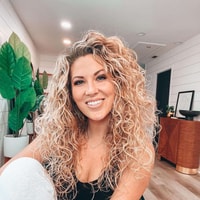
Lindsay Stay is a 38-year-old wife, mother of two, Lyme disease advocate, and entrepreneur who lives in Dunedin, Florida.
Lindsay was bit by a tick at 12 and her symptoms remained dormant until a cruise when she was 28 years old when she got sick and her body could no longer manage the Lyme bacteria.
Lindsay tried to continue on with her life as a new mom despite her symptoms, but a year later she became even sicker after a root canal when she felt like she was "slowly losing herself".
Another year later, Lindsay was rear-ended and the physical trauma was the straw that broke the camel's back resulting in Lindsay becoming completely bedbound with a wide range of Lyme symptoms including back/face/neck/foot pain, digestive issues, scattered thoughts, and "everything spinning around me".
Parasite cleansing helped Lindsay get out of bed, but she was still very sick and looking at mold and heavy metal exposure with her medical team.
Finally, she tested positive for Lyme disease and went to Sanoviv Medical Institute in Mexico where she treated her whole body with hyperthermia, antibiotics, rife, colon hydrotherapy, chiropractic care, therapy, lymphatic massages, and yoga.
Lindsay gained back most of her health, but unfortunately, she contracted covid 6 months later which caused her to have a setback.
Lindsay pulled out her holistic toolbox, tried some limbic system retraining programs, and today is using the Pompa Program to continuously improve her health.
If you'd like to learn the specific tools Lindsay has used in her Lyme journey and are looking for a story of hope, then tune in now!
PS Julia Feygelman special guest co-hosted this interview with Matt from Tick Boot Camp!