
Episode 610: Why Is Chronic Lyme Disease Harder on Women? – Dr. Anne VanCouvering | LIVE from ILADS
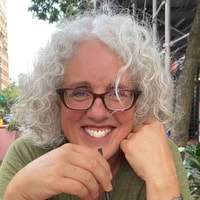
Why do so many women with chronic Lyme disease struggle to get answers—and could stress, hormones, immune function, and medical gaslighting help explain their experiences?
In this LIVE from ILADS interview, Tick Boot Camp co-host Rich sits down with Dr. Anne VanCouvering, ND, a Vermont-based naturopathic doctor who treats patients with Lyme disease, tick-borne infections, mold-related concerns, and complex chronic illness.
Recorded at the 2025 International Lyme and Associated Diseases Society (ILADS) Conference in San Antonio, Texas, the conversation explores why women are so heavily represented in the chronic Lyme disease community, how prolonged stress may affect immune function, and why patients with multisystem symptoms are frequently dismissed by healthcare professionals.
Dr. VanCouvering also shares her personal journey into Lyme disease medicine, including her son's seven-year struggle with unexplained symptoms, her family's experiences with tick exposure on Long Island, and how ILADS helped shape her clinical approach.
Their discussion raises important questions about Bartonella, Babesia, neuroinflammation, autism-like symptoms, PANS/PANDAS, environmental exposures, nervous system regulation, and the limitations of conventional medical care.
Throughout the interview, Dr. VanCouvering emphasizes a principle that every patient deserves to experience: The goal isn't for a doctor to be right. The goal is to help the patient get well.
Meet Dr. Anne VanCouvering, ND
Dr. Anne VanCouvering is a naturopathic doctor based in central Vermont who provides telemedicine services to patients in Vermont, New Hampshire, and Massachusetts.
Her clinical interests include Lyme disease, tick-borne infections, mold-related illness, autism, PANS/PANDAS, and complex chronic health conditions.
Before attending naturopathic medical school, she operated a massage therapy practice in the Hamptons on Long Island.
Her interest in medicine developed partly from her desire to understand her son's health challenges.
She began attending ILADS conferences in 2014, seeking additional education about Lyme disease and associated infections.
Dr. VanCouvering describes witnessing the growth of integrative and naturopathic approaches within the ILADS community, including increasing discussions of herbal medicine and supportive therapies.
A Mother's Search for Answers: Seven Years of Unrecognized Lyme Disease
Dr. VanCouvering's journey into Lyme disease medicine began with her son.
During his teenage years, he experienced a collection of symptoms that initially appeared unrelated:
- Excessive sleeping and debilitating fatigue
- Anxiety and behavioral changes
- Knee pain
- Persistent headaches
- Cognitive difficulties and trouble completing sentences
- Purple stretch-mark-like skin changes that she later associated with Bartonella
She initially explored autism and other possible explanations for his symptoms.
Despite consulting multiple healthcare professionals, she struggled to obtain a diagnosis that explained his overall condition.
Eventually, a discussion with another physician about purple striae prompted her to reconsider his symptoms.
She began investigating tick-borne infections and concluded that Lyme disease might be contributing to his illness.
By that point, approximately seven years had passed since his symptoms began.
His condition eventually became so severe that, while attending college in Oregon, he reportedly spent three months largely confined to bed.
Dr. VanCouvering describes traveling to California for additional medical support at Gordon Medical Associates, although the financial burden made continued care difficult.
She credits a combination of medical care and lifestyle changes with helping her son improve.
Her experience highlights how difficult it can be for families to navigate complex symptoms, particularly when multiple body systems appear to be affected.
Clinical context: Purple striae are not diagnostic of Bartonella infection, and symptoms such as fatigue, anxiety, and cognitive changes have many possible causes. Lyme disease requires appropriate clinical evaluation.
From Long Island to Vermont: A Family History of Tick Exposure
Dr. VanCouvering discusses her family's extensive history on Long Island, including time spent on Shelter Island.
Her husband served as a Scoutmaster and experienced frequent tick bites over many years.
She describes how repeated exposure shaped her awareness of Lyme disease and the practical challenges of tick prevention.
Rich, also from Long Island, connects with her over the region's history of tick-borne disease research.
Their conversation highlights how Lyme disease can affect families with extensive outdoor exposure, including hikers, gardeners, hunters, park employees, and other people who spend time in wooded or grassy environments.
Repeated tick exposure increases opportunities for infection, but it does not mean everyone living in an endemic area has Lyme disease or carries Borrelia.
For practical prevention and next steps after a tick bite, explore Tick Boot Camp's Tick Bite Blueprint.
Lyme Disease, Bartonella, Babesia, and the Total Burden of Illness
Dr. VanCouvering explains that she approaches complicated patient cases by considering more than one possible contributing factor.
Her evaluations may include:
- Lyme disease and other tick-borne infections
- Bartonella and Babesia
- Environmental mold exposure
- Possible heavy metal exposure
- Chronic viral illnesses
- Stress and nervous system function
- Individual medical history and genetic factors
She uses a memorable analogy involving The Godfather and his associates.
In her metaphor, addressing one major infection may not resolve a patient's symptoms if other medical problems remain unrecognized.
She believes clinicians should evaluate contributing factors methodically rather than assuming that every symptom has a single explanation.
However, the presence of multiple symptoms does not establish multiple infections, mold toxicity, or impaired detoxification. Each suspected condition requires appropriate evaluation, and not every proposed testing or treatment approach is clinically validated.
Chronic Stress, Fight-or-Flight, and the Immune System
One of the interview's central discussions focuses on the relationship between stress and chronic illness.
Rich asks whether prolonged stress could affect the immune system in ways that influence a person's response to tick-borne infections.
Dr. VanCouvering explains the body's stress response using the familiar example of escaping a tiger.
During a perceived threat, the sympathetic nervous system prepares the body for immediate action.
Processes such as digestion and other routine functions may temporarily change as the body prioritizes responding to danger.
She believes prolonged stress may complicate recovery for some patients with chronic illness.
The conversation also explores the balance between sympathetic and parasympathetic nervous system activity.
Scientific context: Chronic stress can influence immune signaling, sleep, pain perception, and overall health. However, stress does not simply switch off the immune system, and evidence does not establish that psychological stress causes persistent Borrelia infection or Lyme disease relapse.
For a related discussion, listen to Tick Boot Camp's interview with Cathleen King about nervous system regulation and Primal Trust.
Why Are More Women Represented in the Chronic Lyme Disease Community?
Rich shares an observation from hundreds of Tick Boot Camp interviews: women make up a substantial majority of the patients and practitioners featured on the podcast.
He asks Dr. VanCouvering whether biological differences, stress, or social expectations could help explain that pattern.
She identifies several possible contributors.
Women May Carry More Caregiving and Household Responsibilities
Dr. VanCouvering discusses the additional responsibilities many women manage outside paid employment.
These may include raising children, caring for aging relatives, and organizing household responsibilities.
She believes these demands can contribute to prolonged stress and affect a person's overall well-being.
Rich also raises the possibility that social media may increase stress for some women.
Dr. VanCouvering cautions that the issue is more complicated than social media alone.
Men May Be Less Likely to Seek Medical Care
Dr. VanCouvering notes that social expectations may discourage some men from discussing symptoms or seeking help.
She treats men who spend significant time outdoors, including gardeners, hunters, and people working in wooded environments.
She estimates that her own practice serves approximately 60% women and 40% men.
This observation raises an important distinction: The demographics of patients seeking treatment do not necessarily reflect the actual distribution of Lyme disease infections.
Hormonal Changes and Medical Dismissal
Dr. VanCouvering also discusses hormonal fluctuations and their possible effects on symptoms.
She believes women may face additional challenges when reporting fatigue, pain, or other difficult-to-explain health problems.
Both Rich and Dr. VanCouvering express concern that women's physical symptoms are sometimes attributed to anxiety or depression without adequate investigation.
The discussion raises questions about how medical research, gender bias, and differences in healthcare utilization influence patient experiences.
Importantly, the interview does not establish that women are biologically more likely than men to develop persistent symptoms after Lyme disease.
Medical Gaslighting: When Patients Are Told It's All in Their Heads
Dr. VanCouvering describes patients arriving at her practice in tears after repeatedly being told that their symptoms are psychological.
She believes medical dismissal can result from limited education, insufficient appointment time, or clinicians' reluctance to acknowledge uncertainty.
Rich asks whether the problem reflects individual arrogance or broader failures within the healthcare system.
They discuss how insurance reimbursement, short appointments, demanding schedules, and fragmented specialty care can make it difficult for healthcare professionals to thoroughly evaluate complicated cases.
Dr. VanCouvering believes that when clinicians cannot explain a patient's symptoms, they should be willing to acknowledge uncertainty and help the patient find appropriate additional care.
She summarizes her philosophy with a memorable statement:
“It's not about me being right. It's about getting it right.”
Her message is that healthcare should prioritize patient outcomes over professional ego.
Why Multisystemic Illness Requires a Broader Perspective
Dr. VanCouvering argues that complex chronic illness can be difficult to understand when individual symptoms are evaluated separately.
A patient may experience neurological, gastrointestinal, musculoskeletal, cardiovascular, and psychological symptoms simultaneously.
Different specialists may focus on individual organs or systems without developing a coordinated understanding of the overall clinical picture.
She believes longer appointments, careful listening, and collaboration between practitioners can help identify overlooked medical concerns.
Rich agrees that the medical system needs better ways to recognize and investigate illnesses involving multiple body systems.
Their discussion emphasizes the importance of comprehensive medical histories, appropriate testing, and collaboration rather than assuming every unexplained symptom has the same cause.
Autism, PANS/PANDAS, and Neuroinflammation
Dr. VanCouvering explains that her original interest in naturopathic medicine involved understanding her son's developmental and behavioral symptoms.
She continues to see some patients with autism and PANS/PANDAS in addition to those with tick-borne illnesses.
The interview briefly explores the possibility that inflammatory and infectious conditions can sometimes produce neurological or behavioral symptoms.
PANS and PANDAS are clinical syndromes associated with the abrupt onset of certain neuropsychiatric symptoms, although their diagnostic evaluation and proposed mechanisms remain subjects of ongoing research.
Autism is a neurodevelopmental condition and should not be equated with Lyme disease or presumed to be caused by tick-borne infections.
For a related conversation, explore Tick Boot Camp's interview with Dr. Somer DelSignore about pediatric Lyme disease, autism, PANS/PANDAS, and neuroinflammation.
How ILADS Changed Dr. VanCouvering's Medical Career
Dr. VanCouvering first attended ILADS in 2014, when she was still learning how to evaluate Lyme disease and associated infections.
She remembers that discussions of herbal and integrative approaches initially occupied relatively small conference spaces.
By the following year, attendance at those sessions had grown substantially.
She credits ILADS with introducing her to clinicians and educational resources that influenced her approach to complex patient cases.
Rich and Dr. VanCouvering also discuss how continuing education helps practitioners remain open to new ideas.
Their conversation illustrates why clinicians need to evaluate emerging research critically while continuing to provide compassionate, evidence-informed care.
Key Takeaways
- Lyme disease can affect multiple body systems. Dr. VanCouvering's son's experience motivated her to pursue additional medical education.
- Delayed diagnosis can profoundly affect families. Her son experienced years of symptoms before she began investigating Lyme disease.
- Other conditions may complicate recovery. She discusses co-infections, environmental exposures, and stress as factors she considers in selected patients.
- Stress and immune function are connected. The relationship is complex and does not establish that stress causes persistent Lyme infection.
- Women's experiences deserve greater attention. The interview explores caregiving demands, hormonal changes, healthcare utilization, and medical dismissal.
- Men also experience Lyme disease and diagnostic challenges. Social expectations may affect when people seek care.
- Medical gaslighting can damage trust. Patients deserve clinicians who listen, investigate, and acknowledge uncertainty.
- Complex illness requires collaboration. Coordinated care can be especially important when symptoms involve multiple systems.
- Education remains essential. Dr. VanCouvering credits ILADS with helping expand her knowledge of tick-borne diseases.
About This LIVE from ILADS Interview
Recorded at the 2025 International Lyme and Associated Diseases Society Conference in San Antonio, Texas, this conversation features Rich and Dr. Anne VanCouvering discussing Lyme disease, chronic stress, gender differences, medical gaslighting, and the challenges of treating complex chronic illness.
The interview also explores her son's health journey, the history of tick exposure on Long Island, and her evolving approach to patient care.
Rich concludes by inviting Dr. VanCouvering to return for a longer discussion about how Lyme disease should be defined and understood.
Discover more physician, researcher, and patient conversations through Tick Boot Camp's LIVE from ILADS podcast series.